The Helicopter Orb Account: A Firsthand Report, Not a Final Verdict
A senior intelligence officer described a puzzling 2025 helicopter encounter. Follow the written account and its limits in the released record.
UFOs & Sightings · 2 min read
NASA’s chief calls for serious investigation of unexplained phenomena without confirming an extraterrestrial origin.
Explore the evidence. Choose a topic. Follow the unknown.
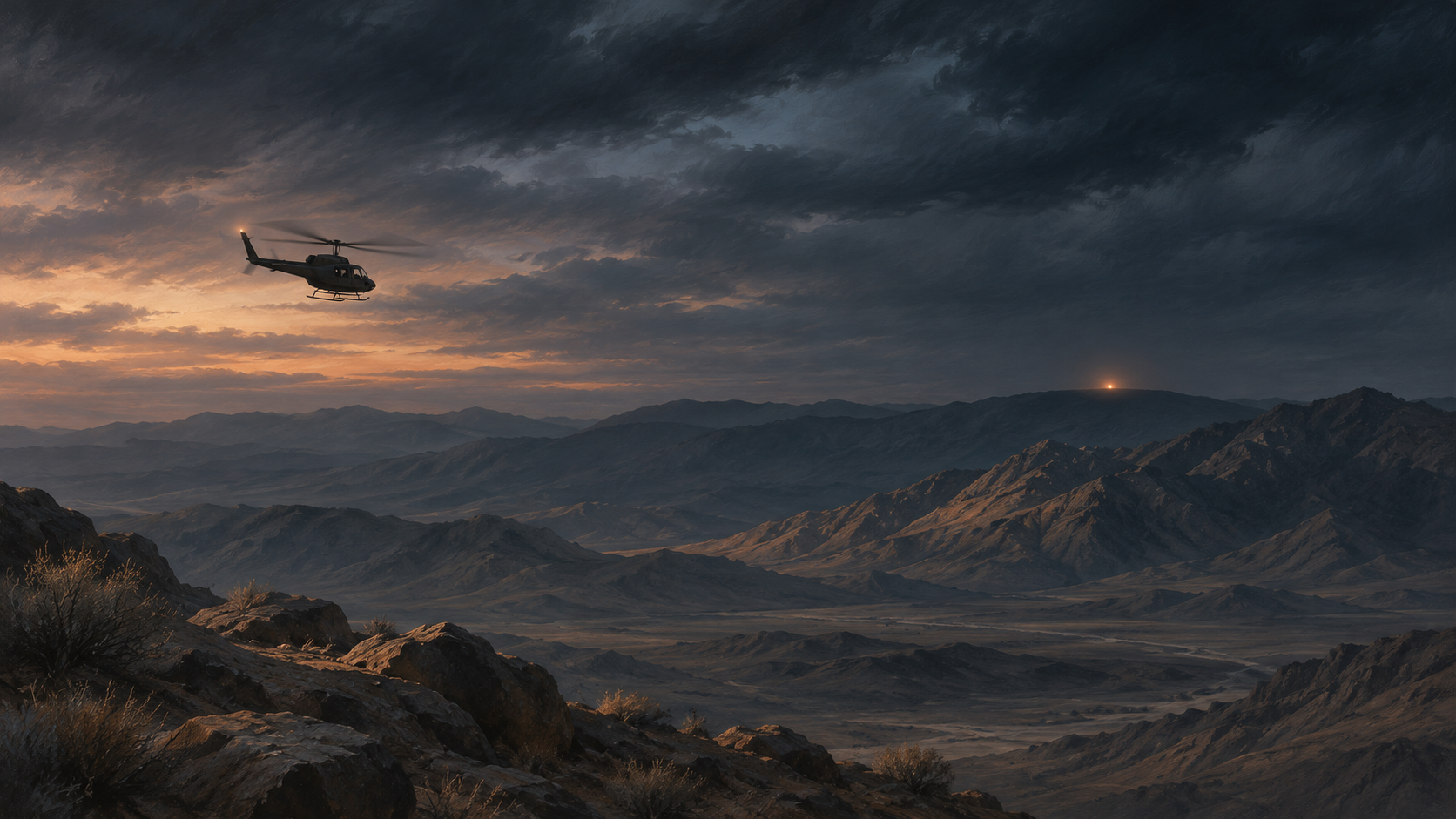
A senior intelligence officer described a puzzling 2025 helicopter encounter. Follow the written account and its limits in the released record.
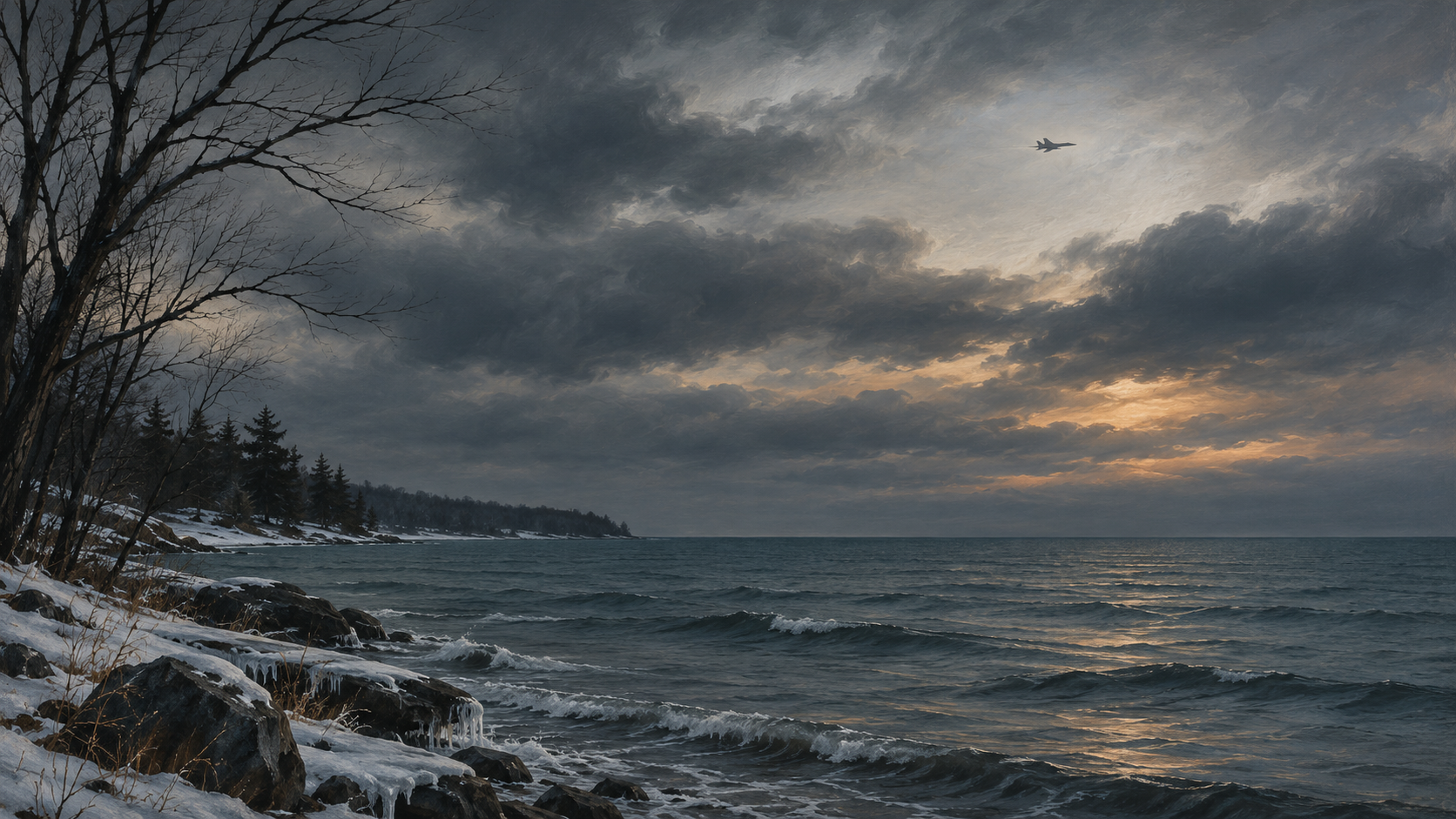
The released Lake Huron clip carries a dramatic title. AARO’s description adds essential cautions about provenance, imagery and identification.
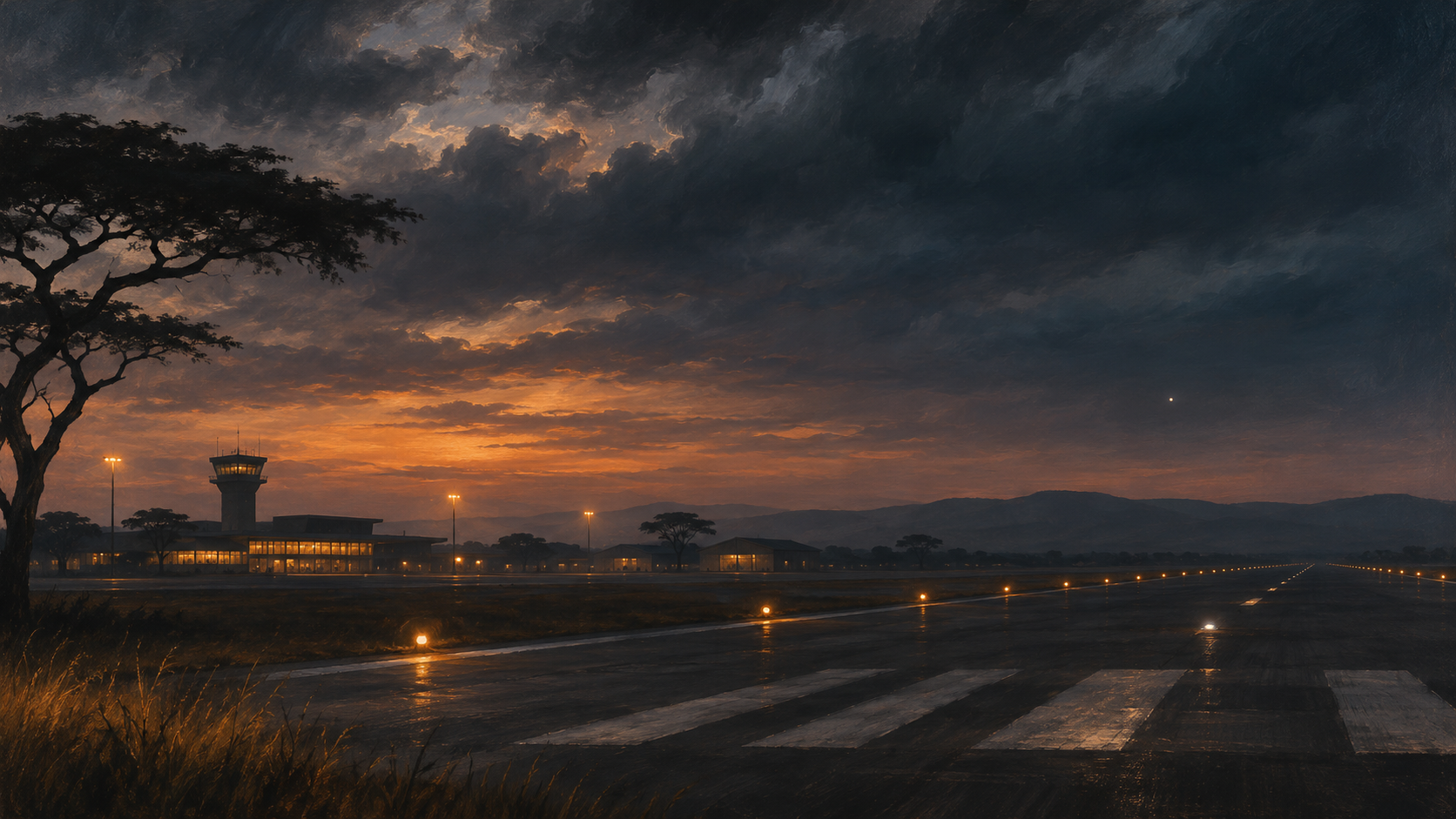
A released CIA information report describes an unusual object over Harare. Its own warning separates collected reporting from evaluated intelligence.
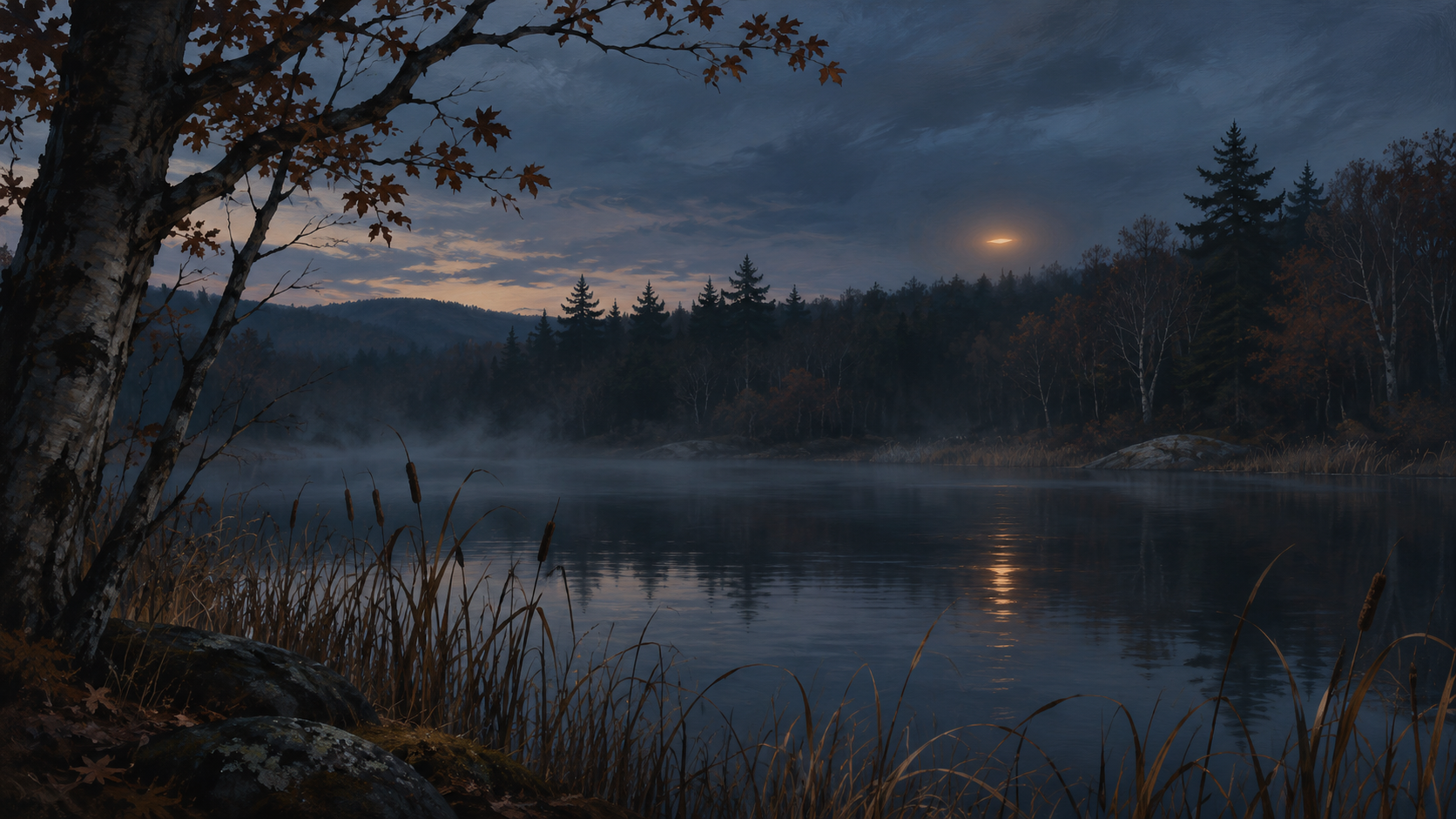
A government release describes an October 2024 light over a pond. Authentication of a recording is a different question from identifying its subject.
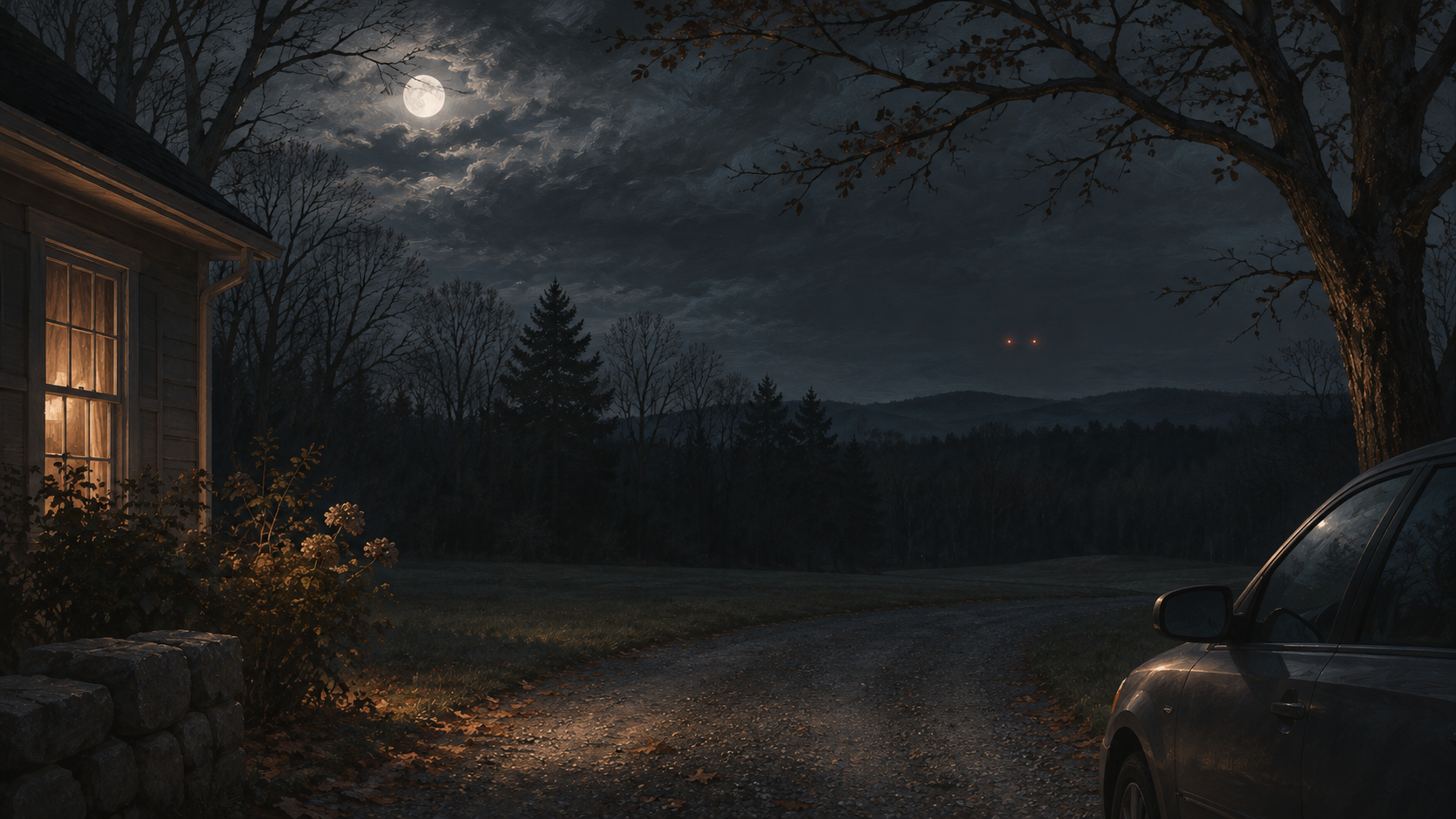
A July 2025 backyard report became a released FBI video file. Separate the witnesses’ close-range descriptions from what the camera recorded.
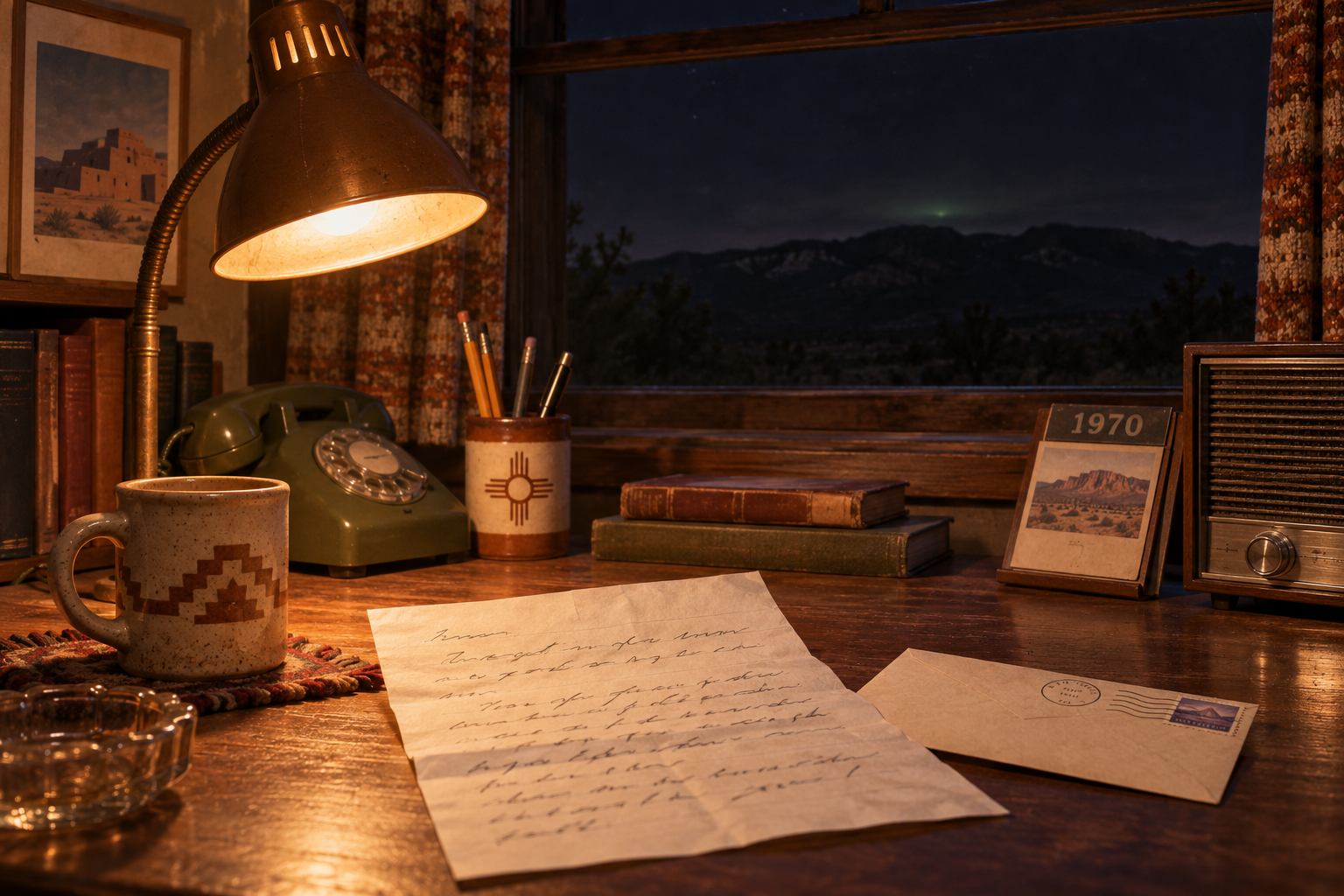
A 1970 letter recalls green lights around Los Alamos decades earlier. Its most useful lead is an appeal to contemporaneous security logs.
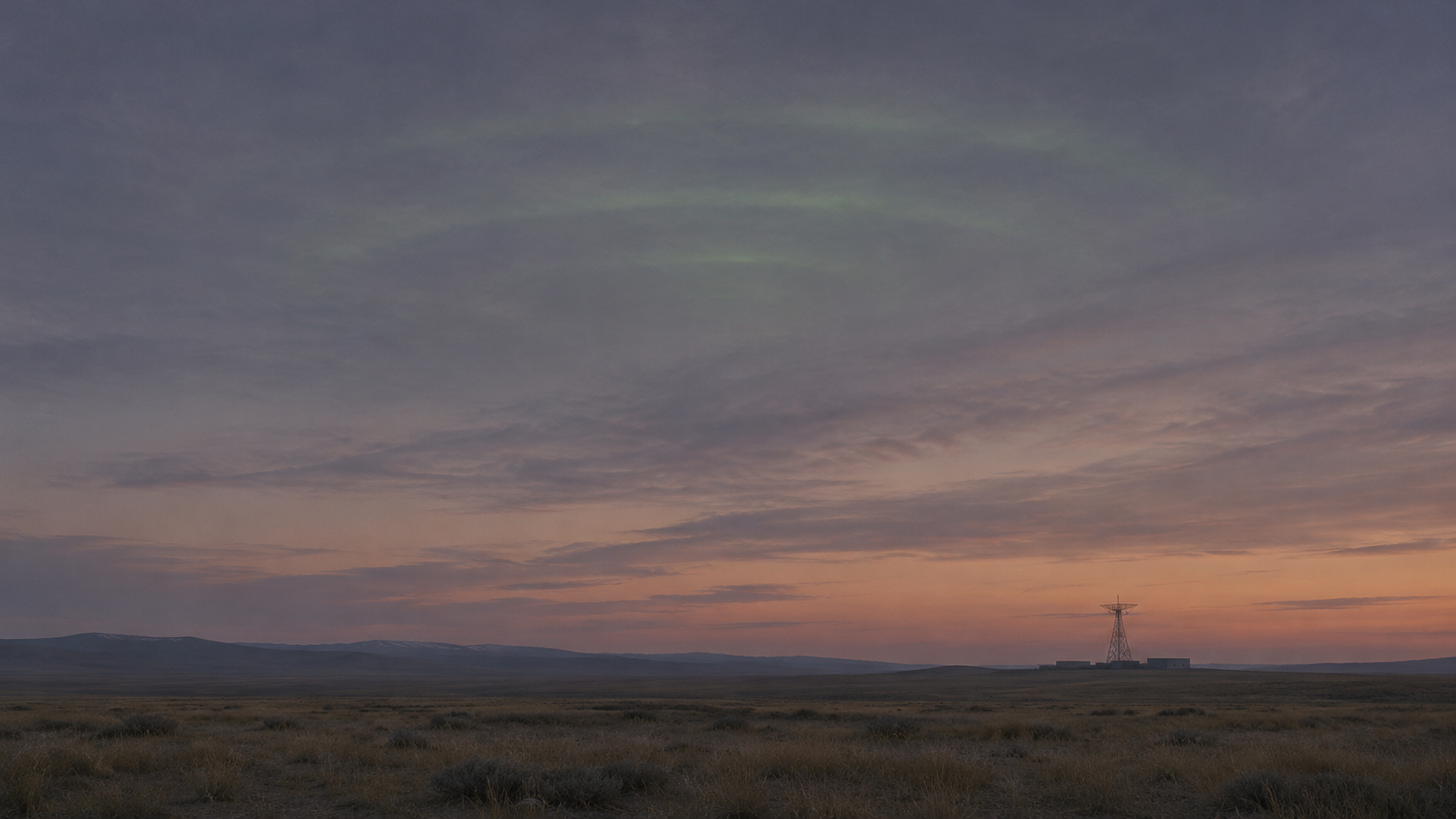
A CIA source described a silent green phenomenon above a Soviet test range. The report’s wording and conflicting dates deserve careful attention.

A 1958 memo records an unsatisfactory answer about a reported space message. It documents an information dispute, not an authenticated alien transmission.
The CIA’s scientific panel worried about more than objects in the sky. Its recommendations reveal a Cold War argument about public attention and security.
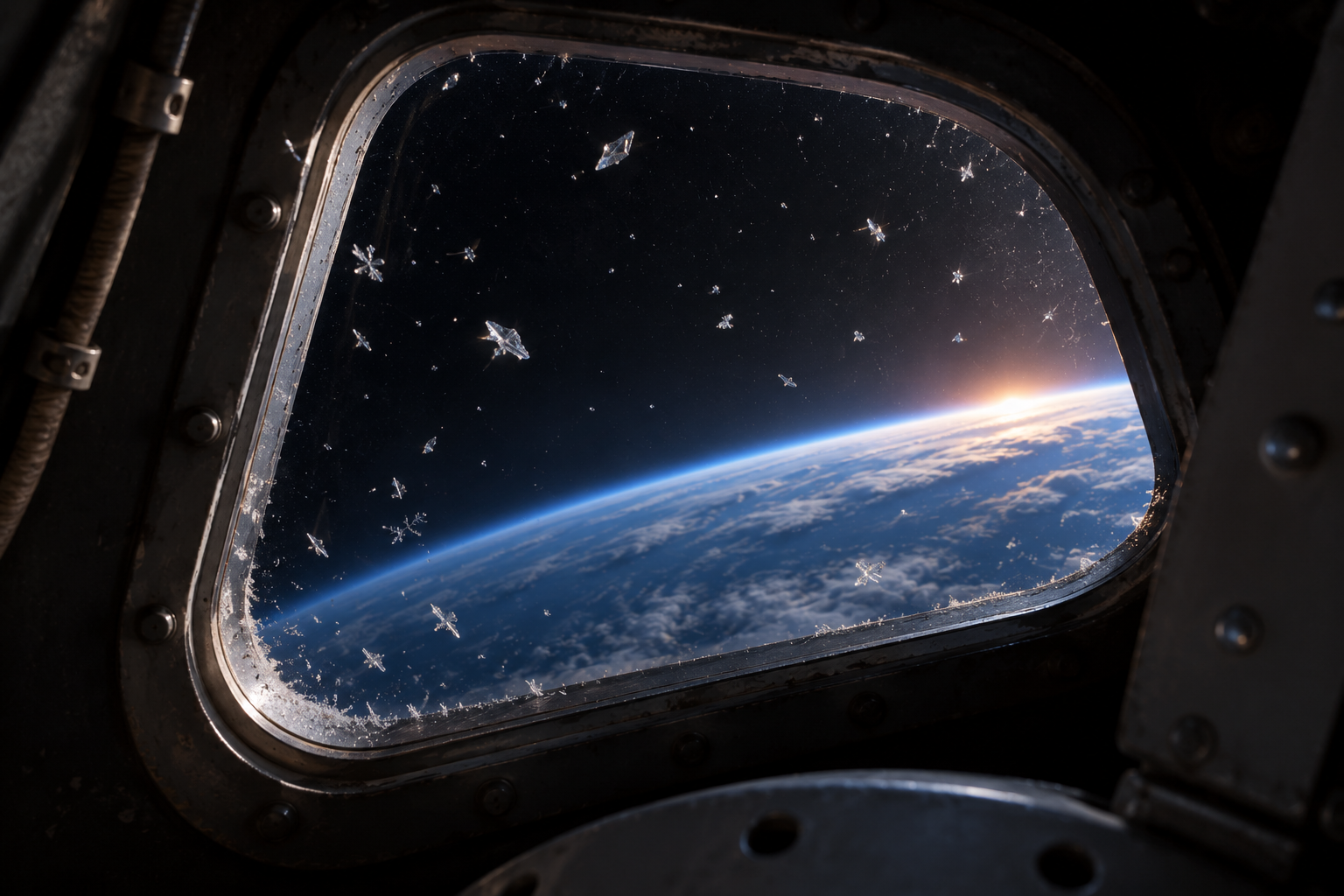
Mercury-era descriptions of strange particles can sound mysterious in isolation. NASA’s mission history preserves the observation that helped explain them.
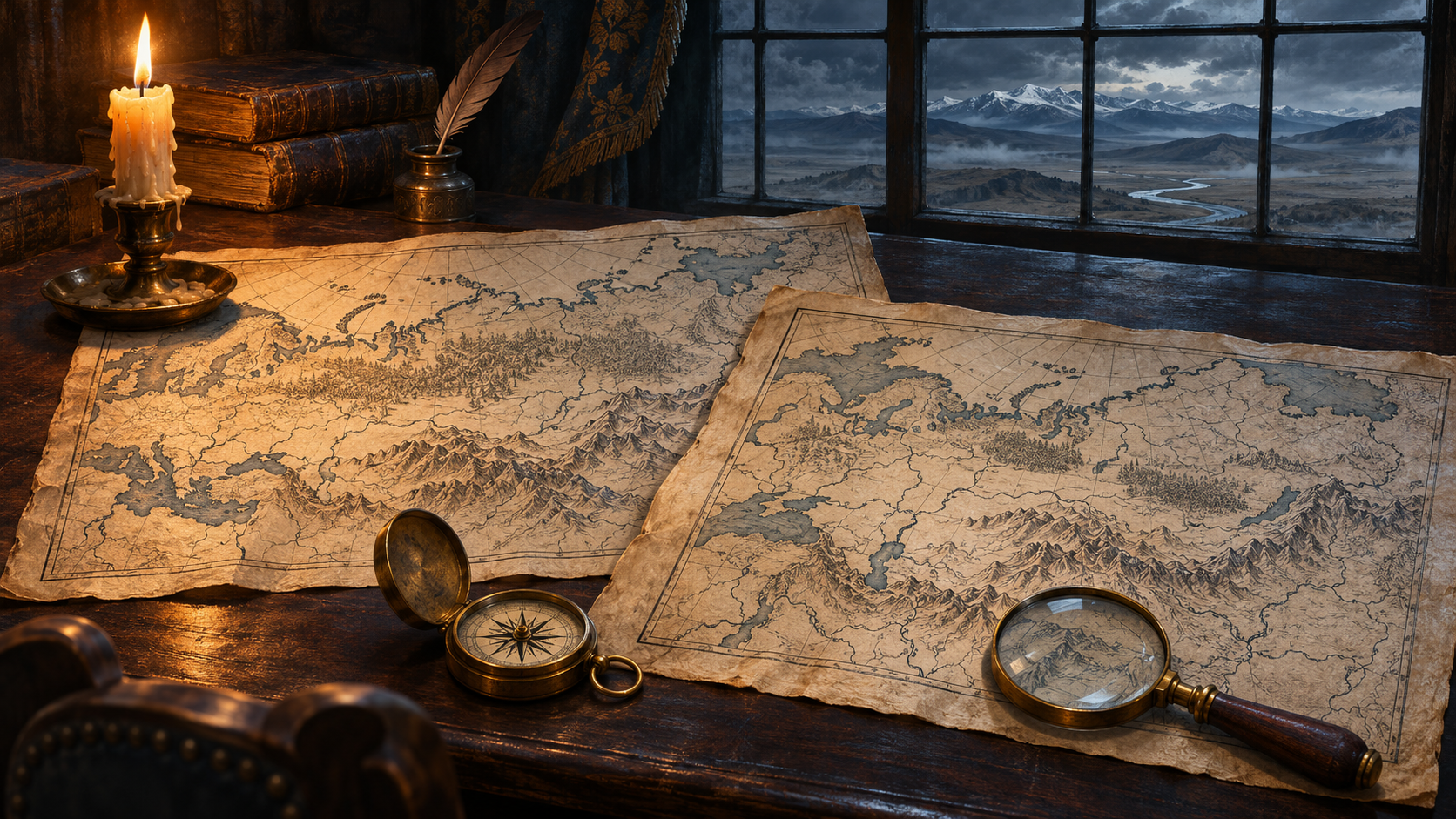
Compare historical maps of Tartary and discover why a changing geographical label cannot establish a lost alien civilization.

A famous Stockholm painting shows extraordinary sky rings. Its history and the science of sun dogs offer a grounded way to read the scene.

Hans Glaser’s famous sky scene survives in a real archive. Here is what that establishes—and what it cannot tell us about aliens.

A sixteenth-century leaflet describes disturbing skies over Basel. Read the original record alongside its religious and publishing context.
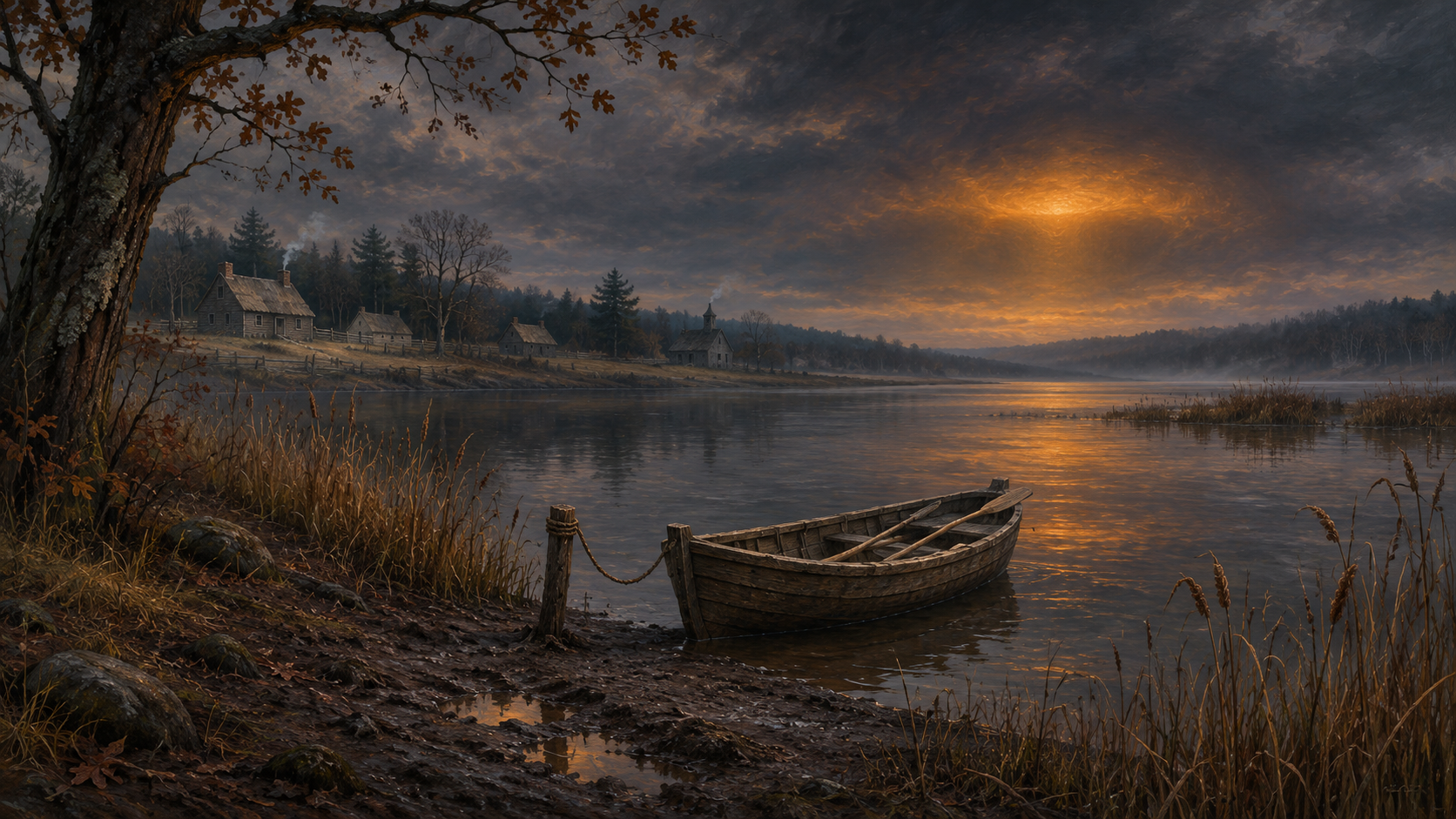
A colonial journal records a puzzling light over the Muddy River. Explore the report without turning it into a confirmed alien abduction.

A Baltic sky report became the subject of a Berlin museum exhibition. Discover why studying the story is different from confirming alien visitors.
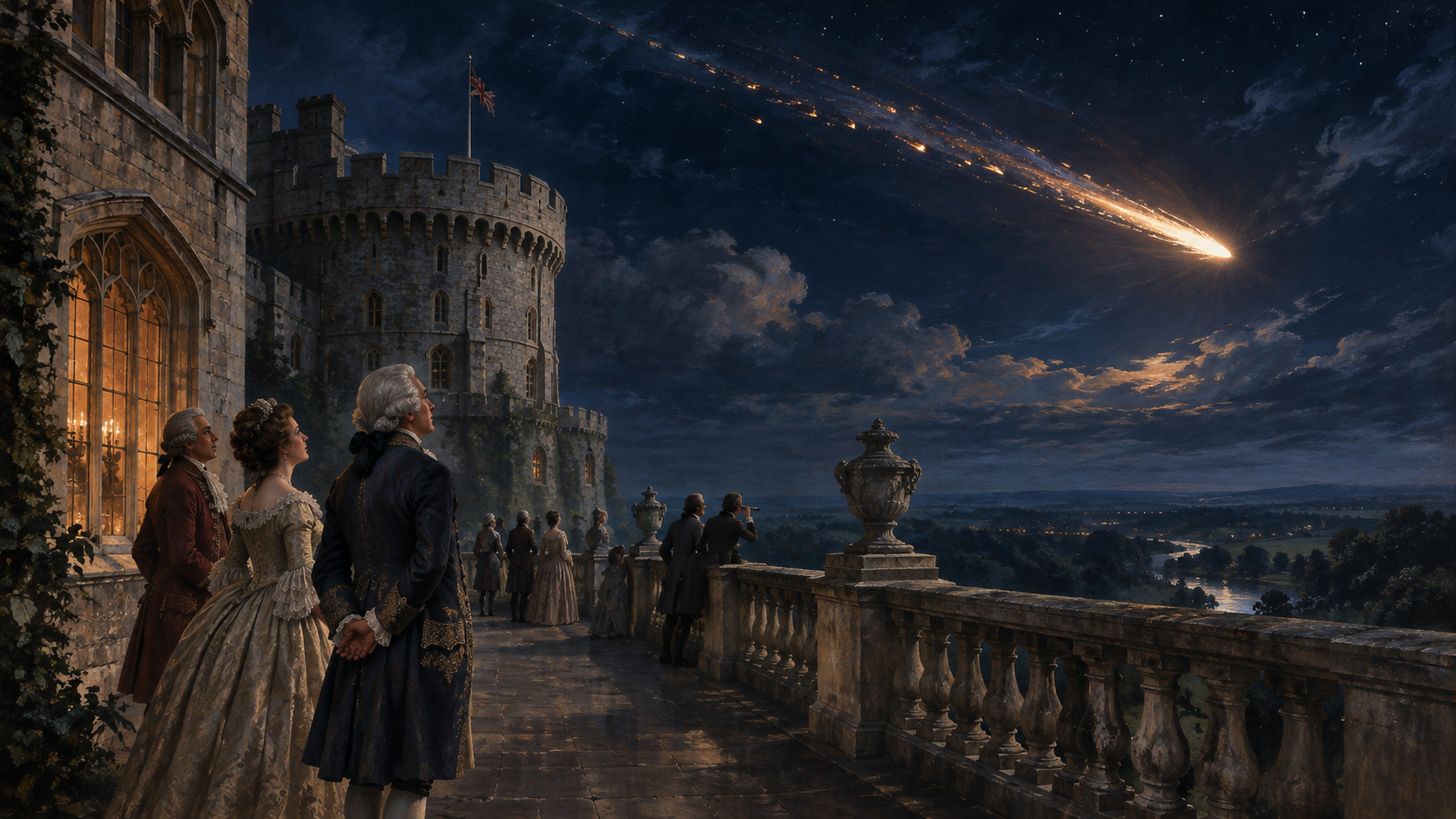
A spectacular meteor inspired art and scientific reports. The Windsor case shows why an extraordinary sky does not need an alien explanation.

A mysterious boat appears in Japanese historical records. A current museum exhibition reveals the documents behind this enduring UFO interpretation.
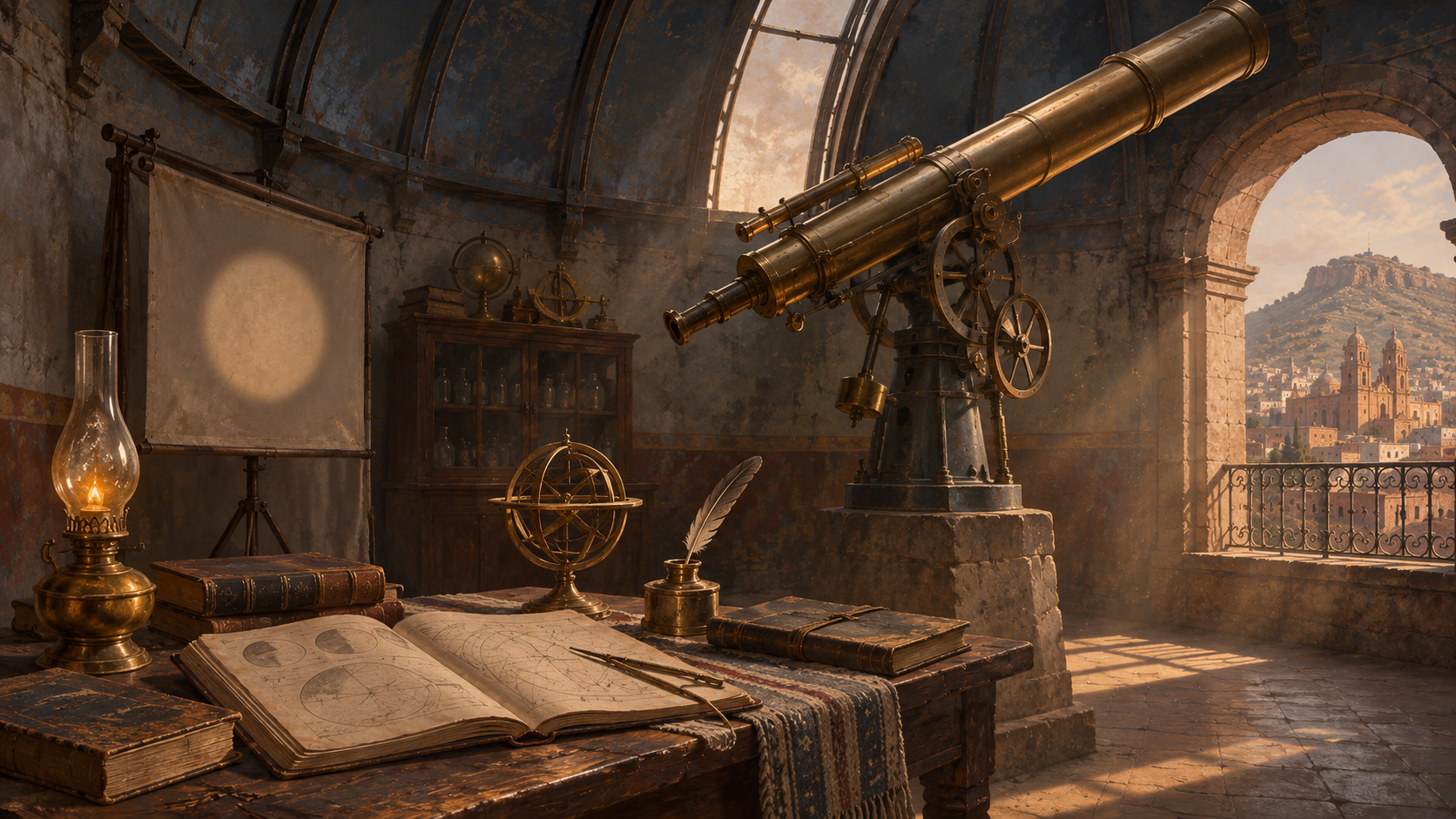
Objects crossed the Sun during Bonilla’s observations in Mexico. A later comet interpretation is intriguing, but it remains a hypothesis.
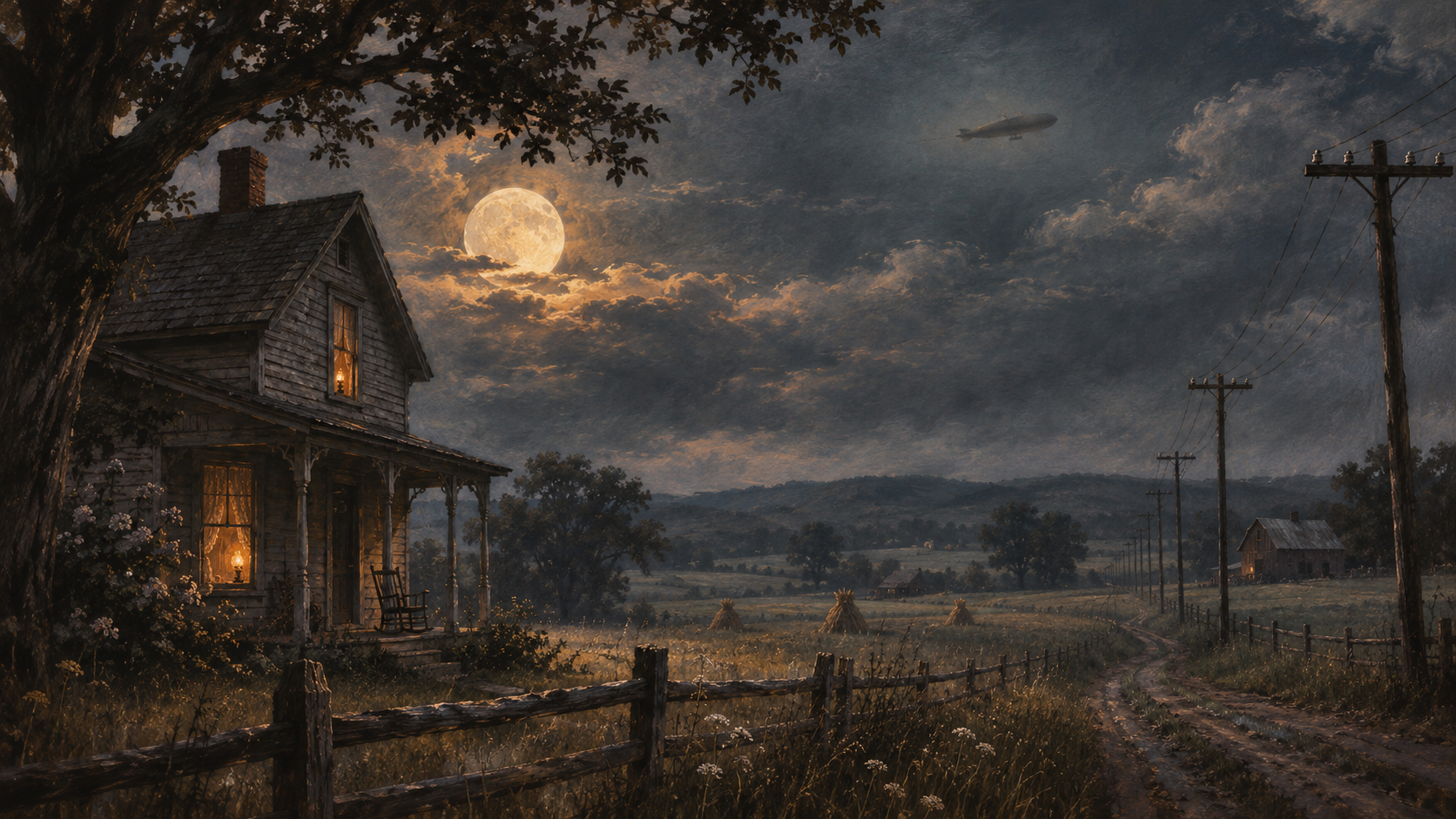
Before flying saucers dominated UFO imagery, strange airships filled reports. Period newspapers offer a way to investigate how the stories spread.
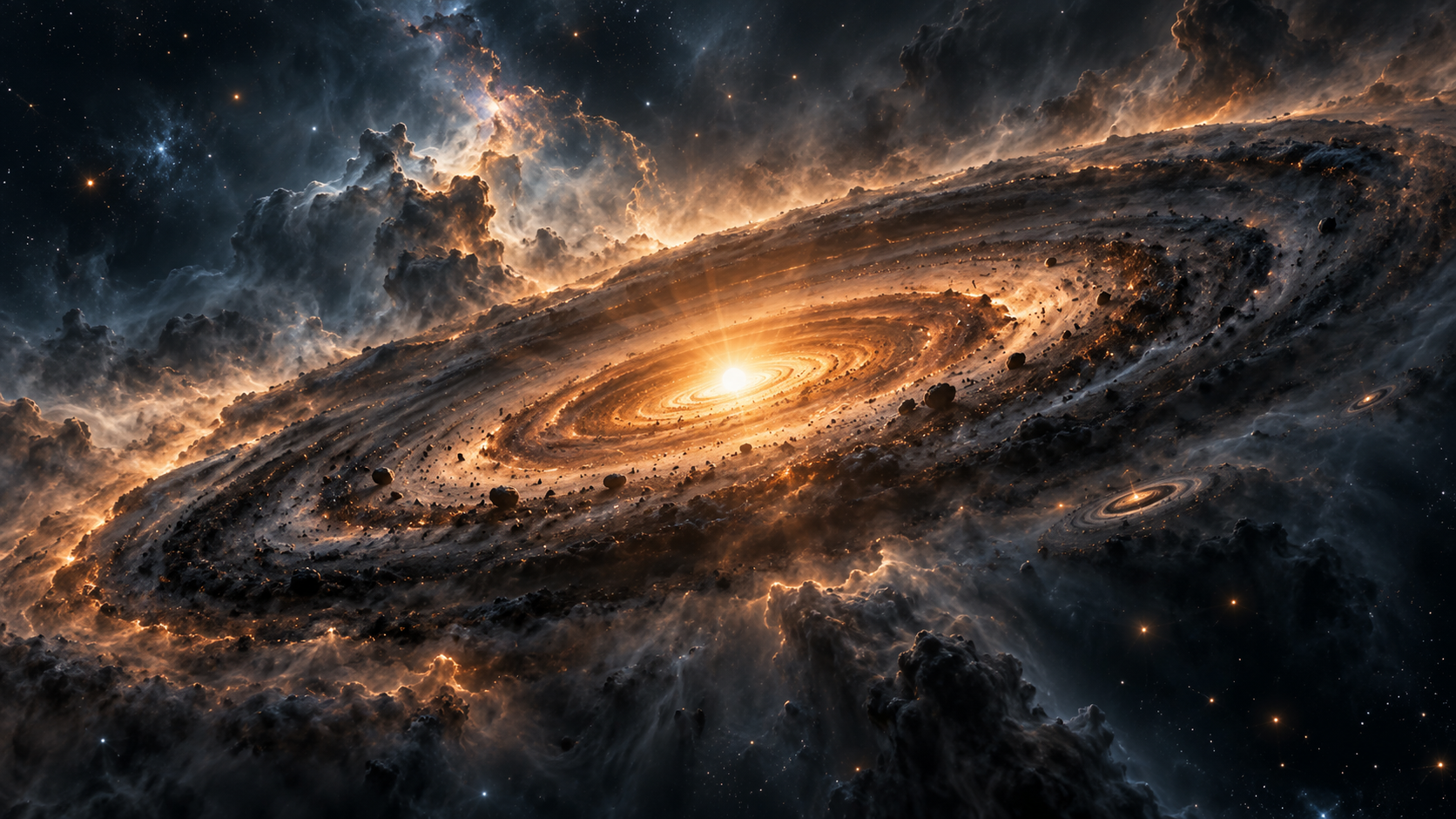
An October COMPASS release reports unusual methanol chemistry around young stars. The findings concern planetary ingredients, not a detection of alien organisms.
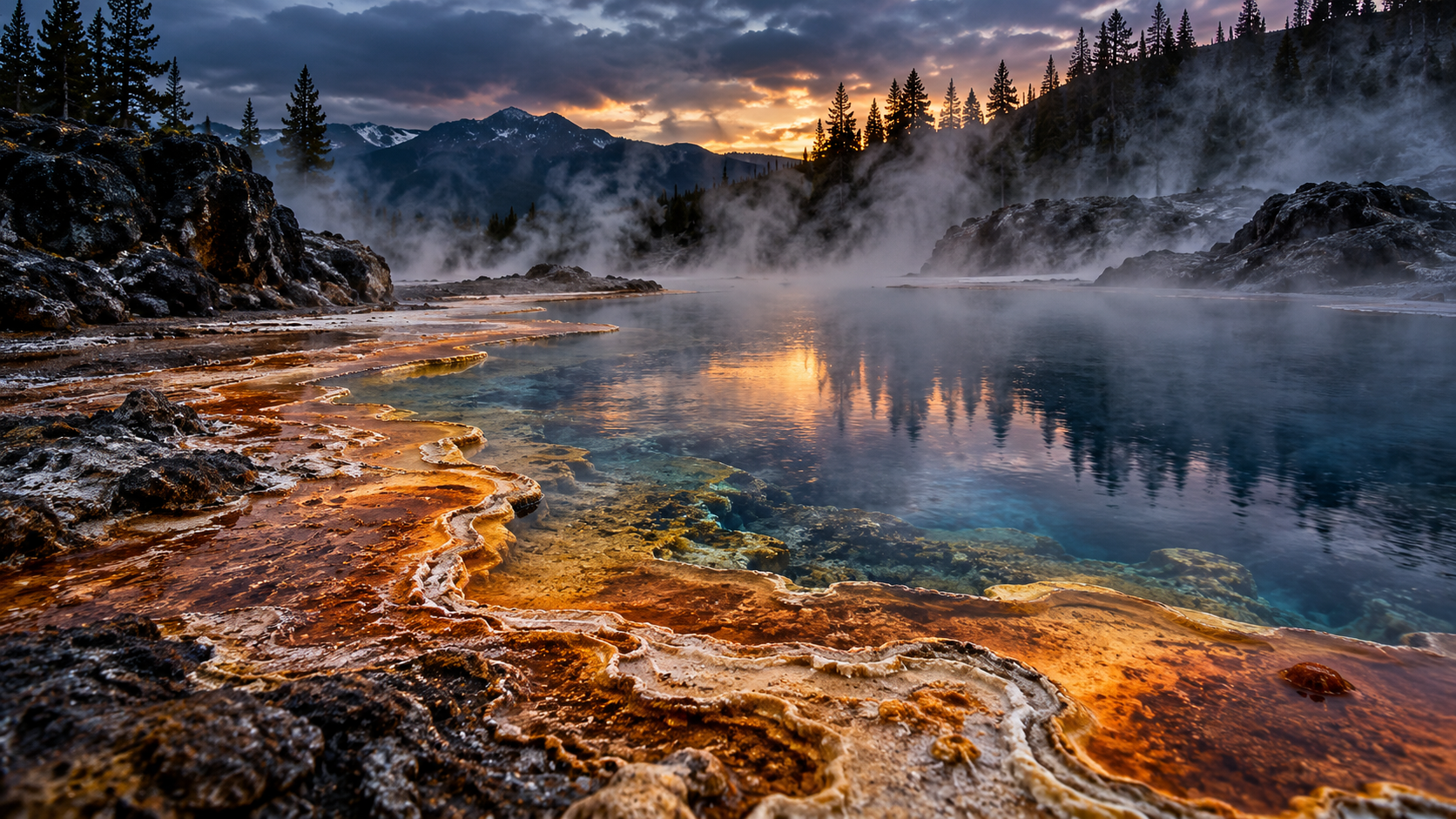
NASA-supported research describes a heat-tolerant amoeba reproducing at 63°C. It expands a biological limit on Earth without establishing life elsewhere.
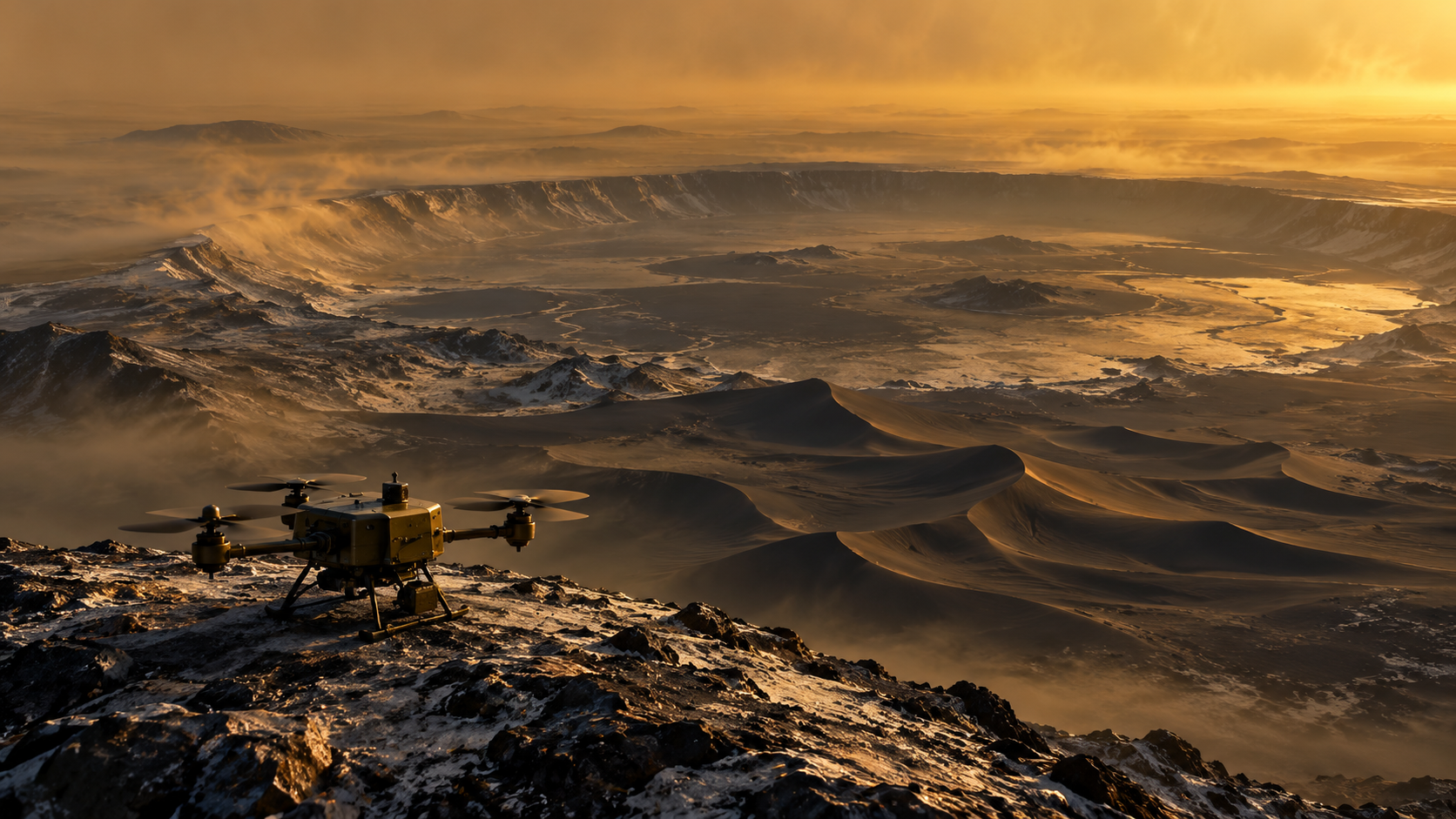
A new review of Titan’s Selk crater examines impact-melt chemistry and sampling priorities for Dragonfly. It is mission preparation, not a life detection.
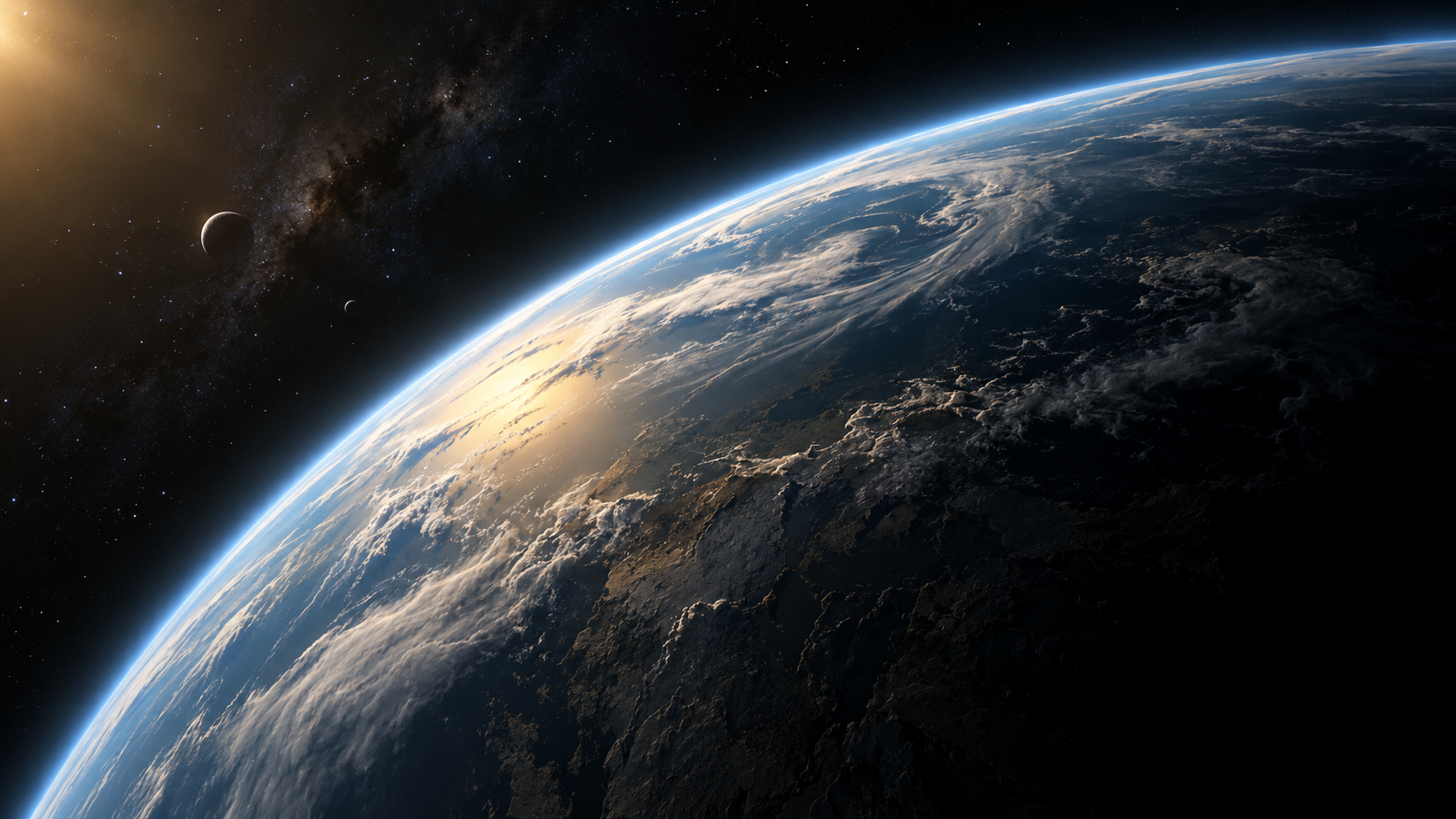
New modeling research tests how reliably ozone can be predicted in unfamiliar atmospheres, with implications for estimating surface radiation and habitability.
Steve Croft’s October contribution examines AI-assisted searches across astronomical archives and new data streams. Better filtering is not an alien detection.
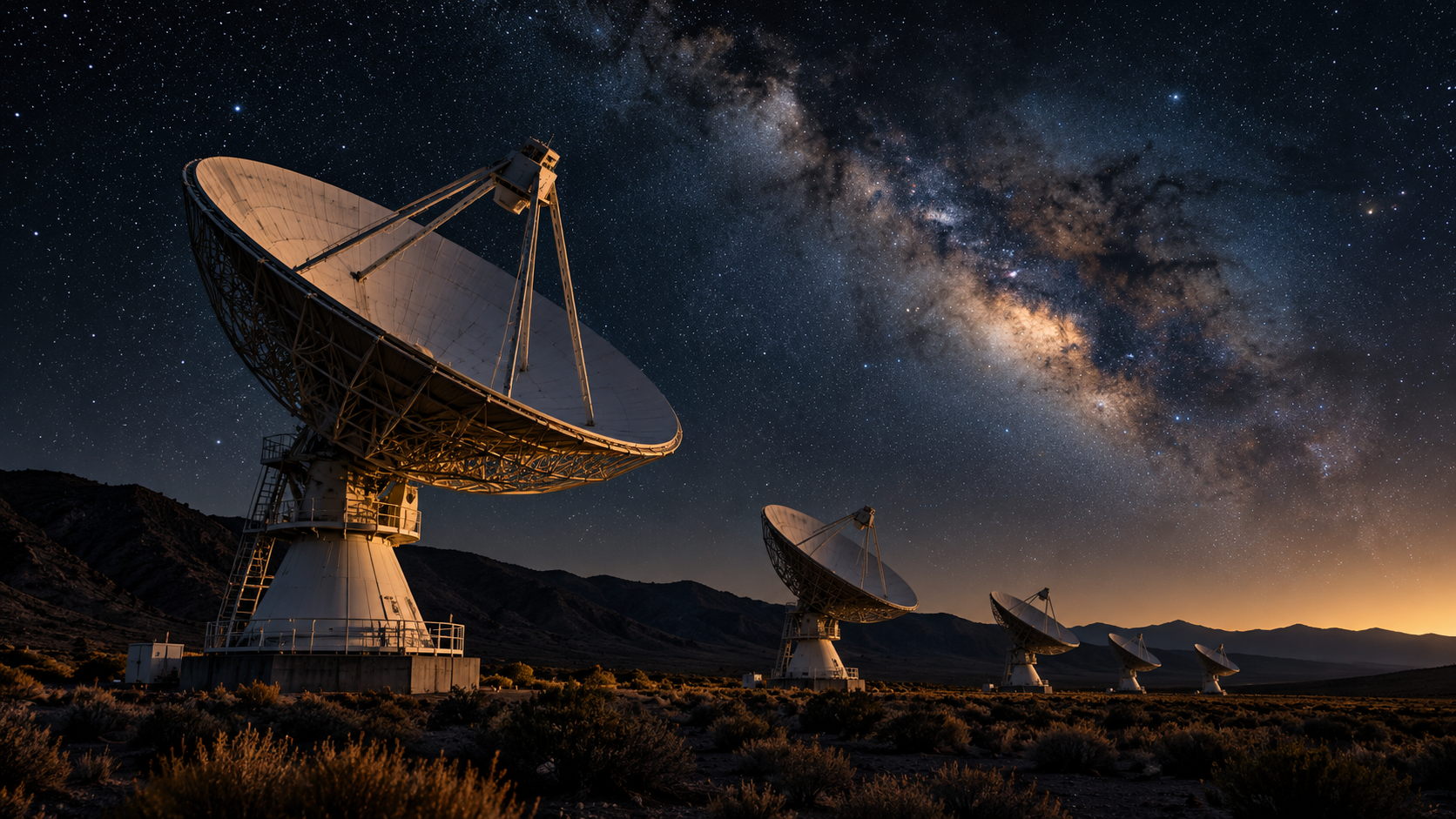
An Allen Telescope Array campaign targets the direction opposite the Sun as a possible shared search location. Its reported candidates require follow-up, not celebration.
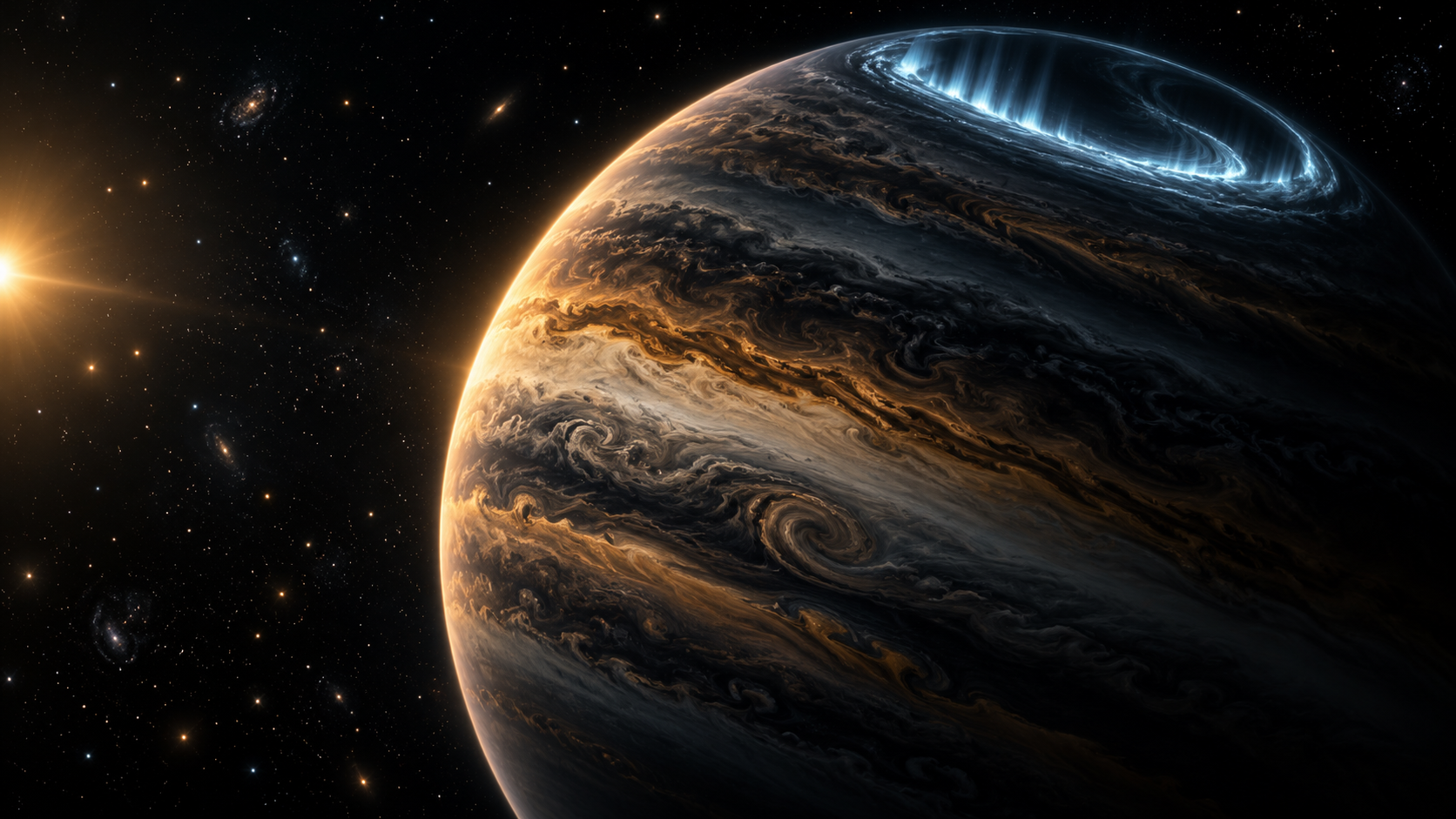
Researchers report radio emission localized to Beta Pictoris b. The proposed natural mechanism offers a way to study magnetic fields, not evidence of alien technology.
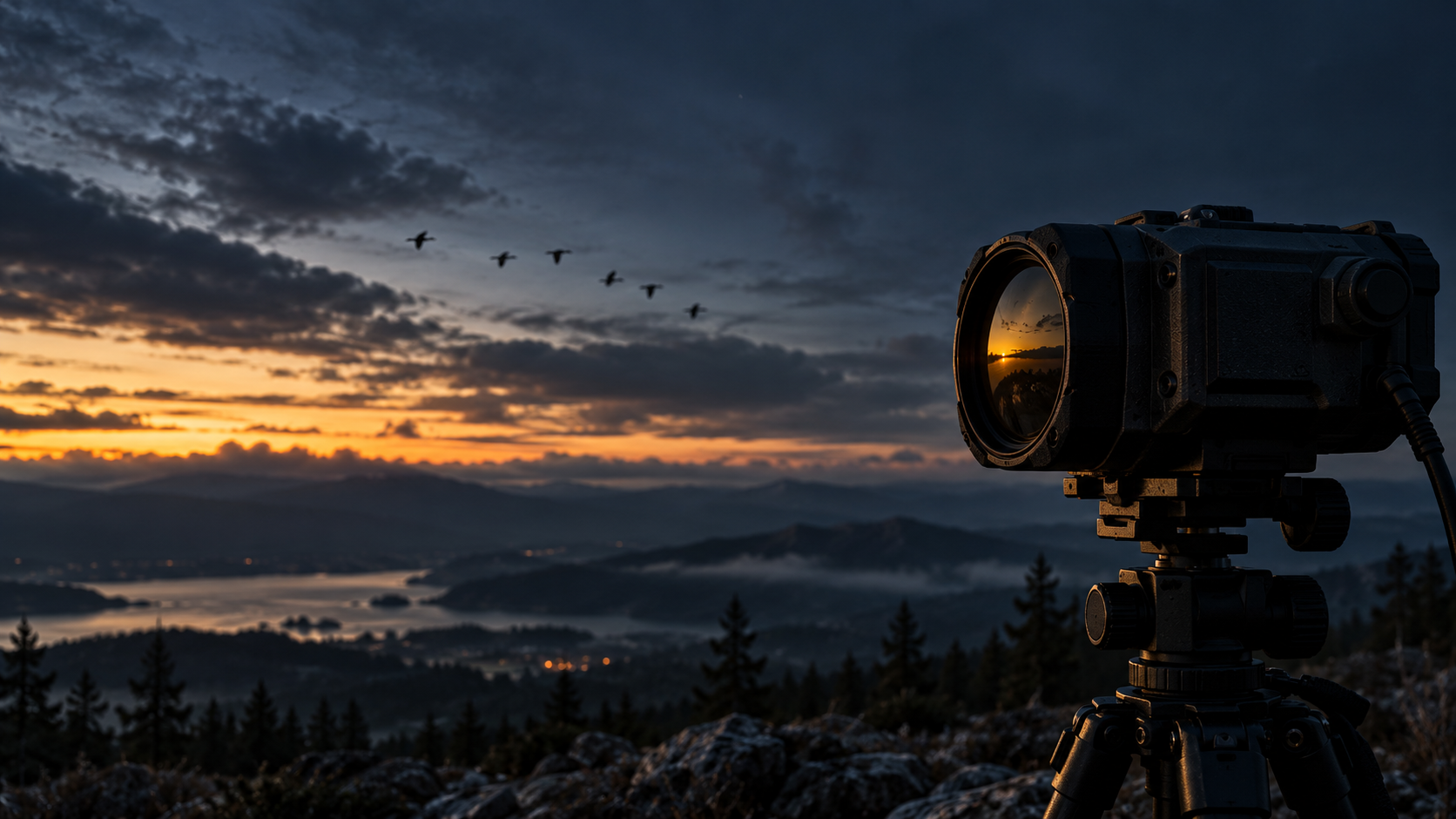
An October preprint proposes birds as an explanation for six objects in released military infrared footage. Its case rests on flicker timing and viewing geometry.

A new model uses cumulative carbon fixation to explore possible evolutionary progress on nearby worlds. Its predictions are conditional, not observations of inhabited planets.
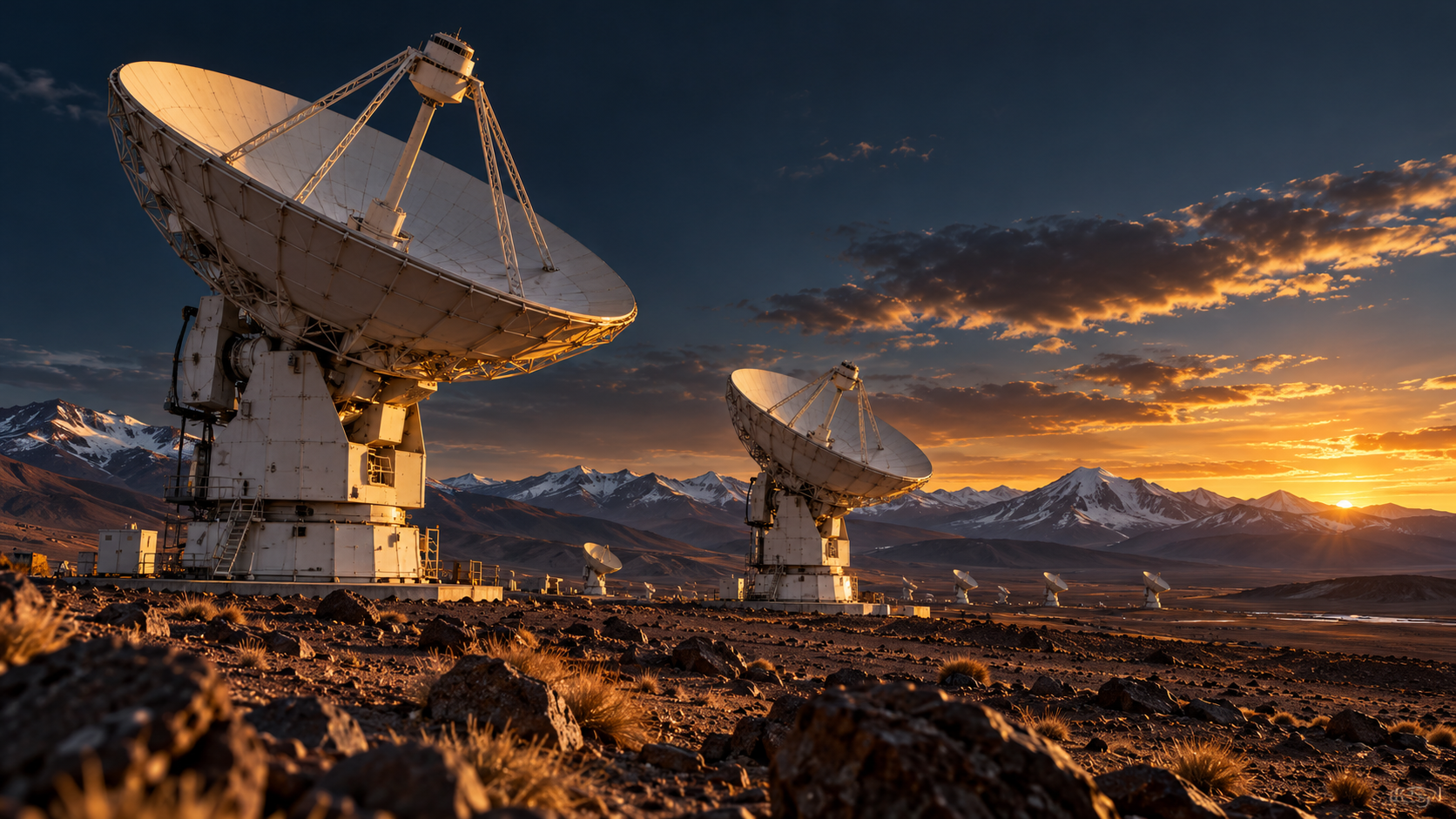
A new ALMA2040 proposal explores undersearched wavelengths and possible waste-heat signatures. It is an observing concept, not a report of detected alien machinery.
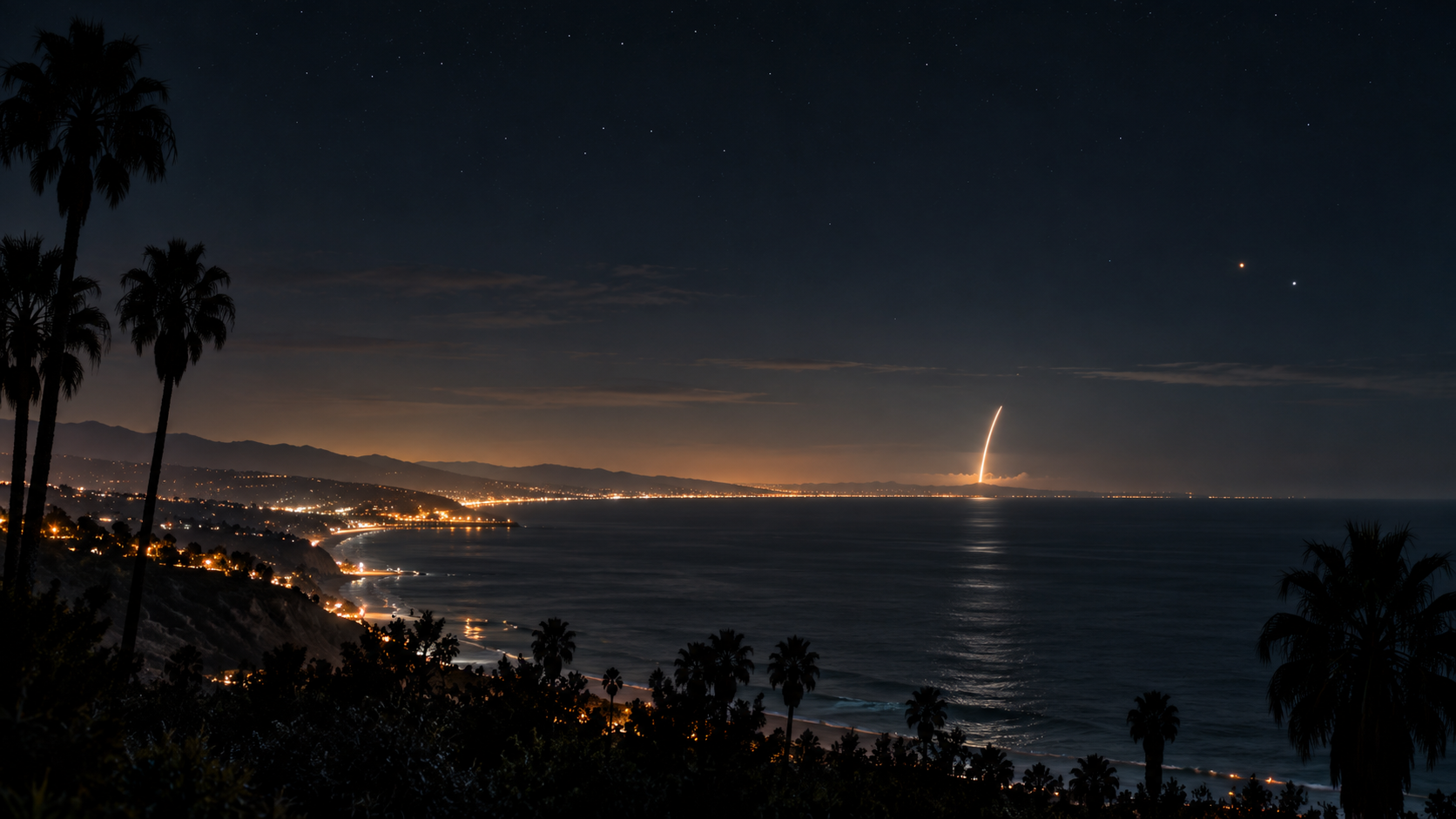
Two October 10 TikTok posts show unusual lights above Southern California. A nearby Falcon 9 launch provides context, while missing recording details limit conclusions.
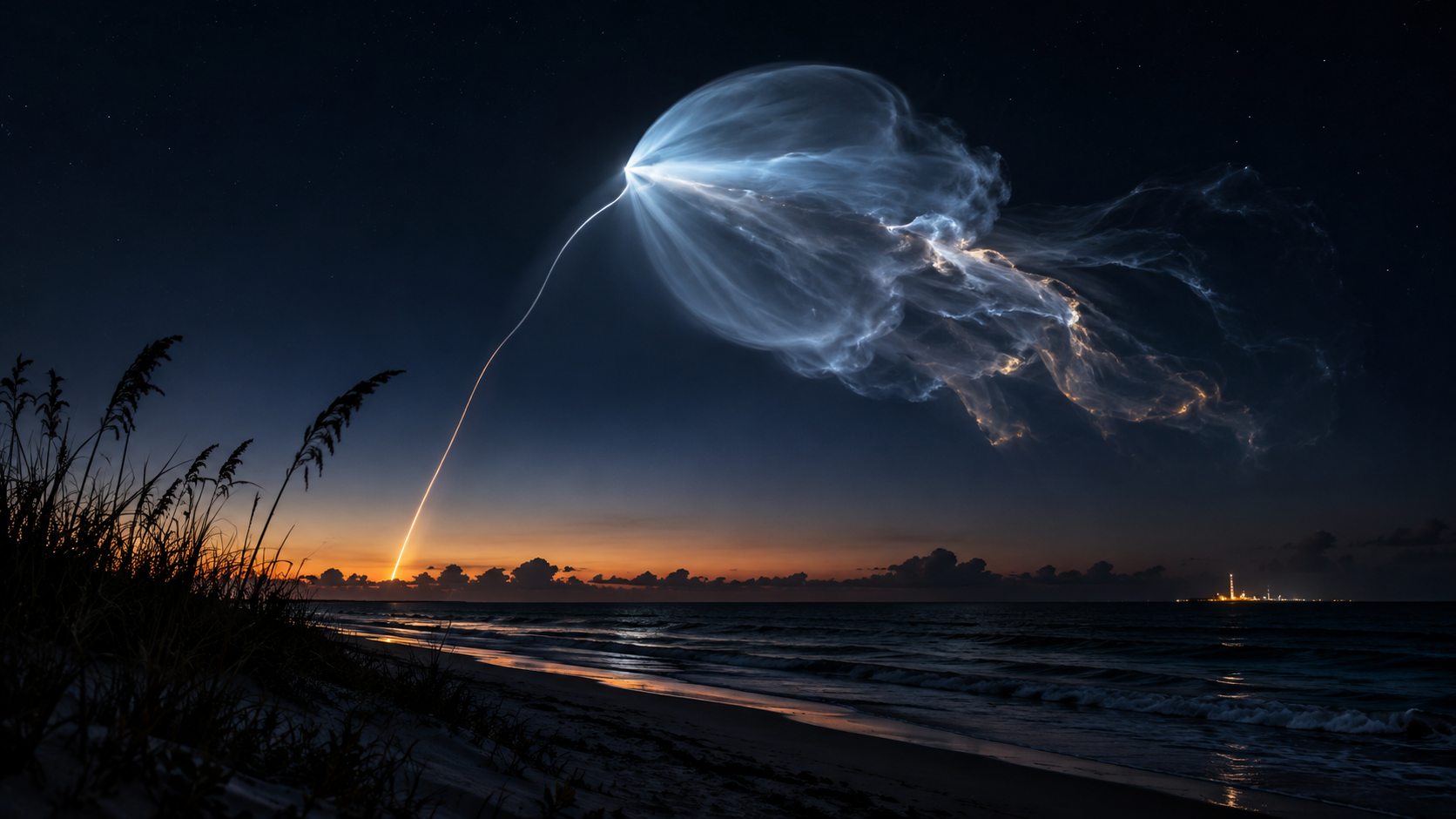
The October 13 space jellyfish spread across social feeds. NASA identifies a sunlit rocket plume, showing how a genuine sky spectacle can look otherworldly.
James Franco’s alien-themed TikTok posts drew millions of views in June 2026. We separate the documented viral series from the unverified encounter claim.
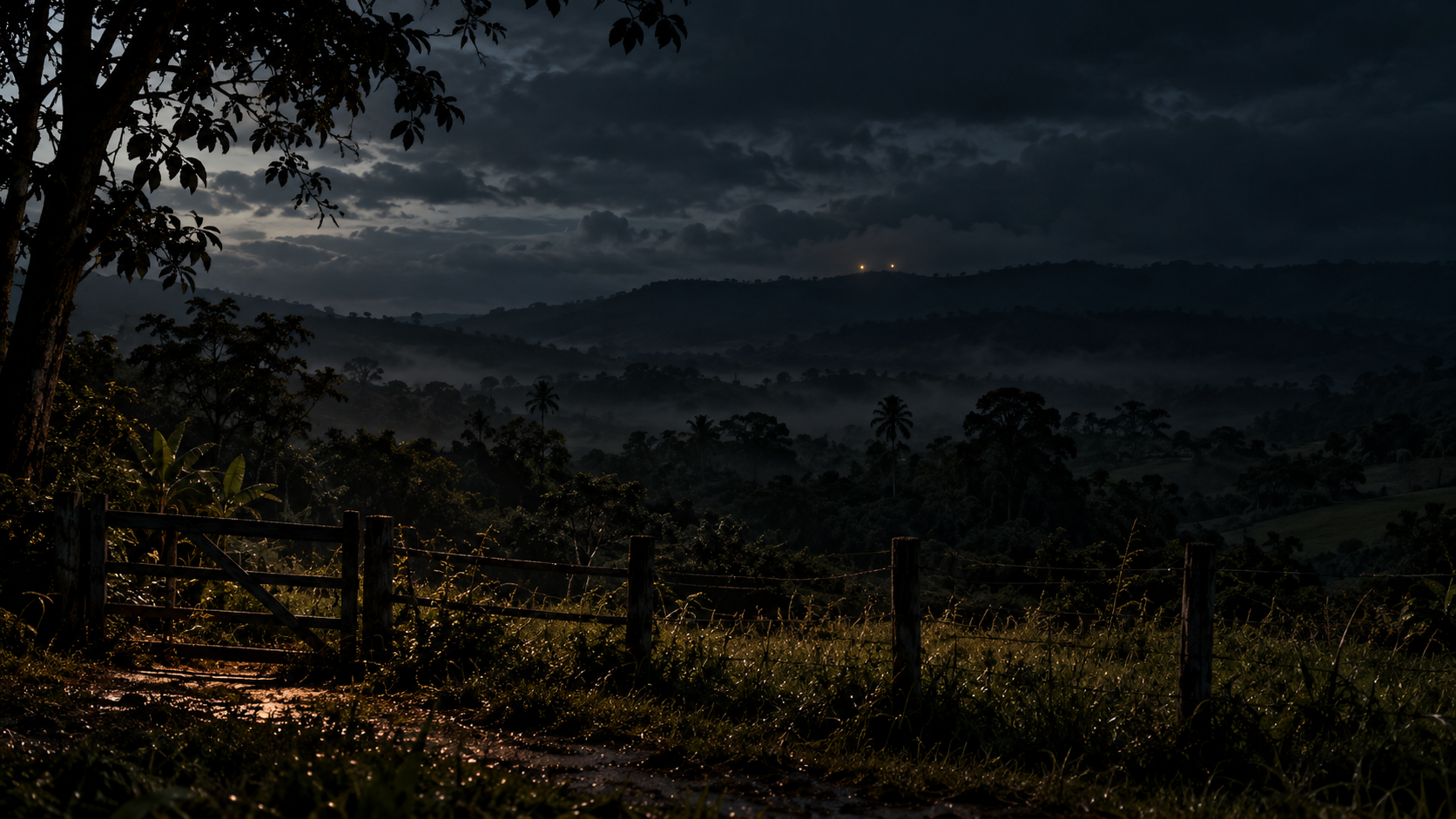
Mayk Leão’s Brazilian UFO footage became a social-media talking point in 2026. Here is what was reported, what the images cannot establish and what remains unverified.
NASA’s chief calls for serious investigation of unexplained phenomena without confirming an extraterrestrial origin.
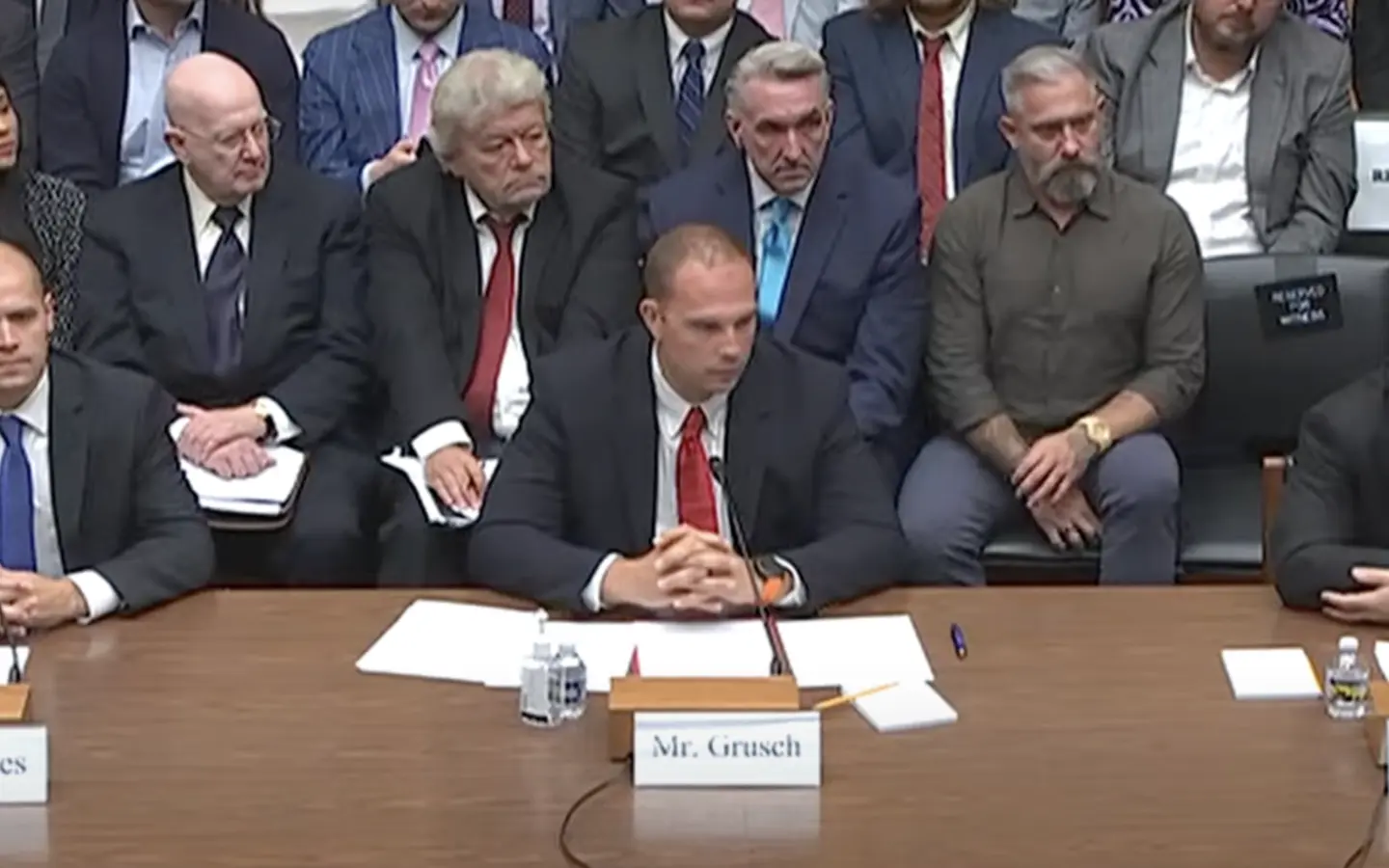
David Grusch describes alleged UFO recoveries and non-human beings. His new accounts remain unverified.

The sixth PURSUE release makes more historical UAP records public. Publication does not establish alien origins.
A targeted waiver addresses certain secrecy-agreement barriers for internal UAP reporting, not public disclosure.
The White House denies plans for a speech confirming aliens. UFO-community speculation is not a confirmed schedule.
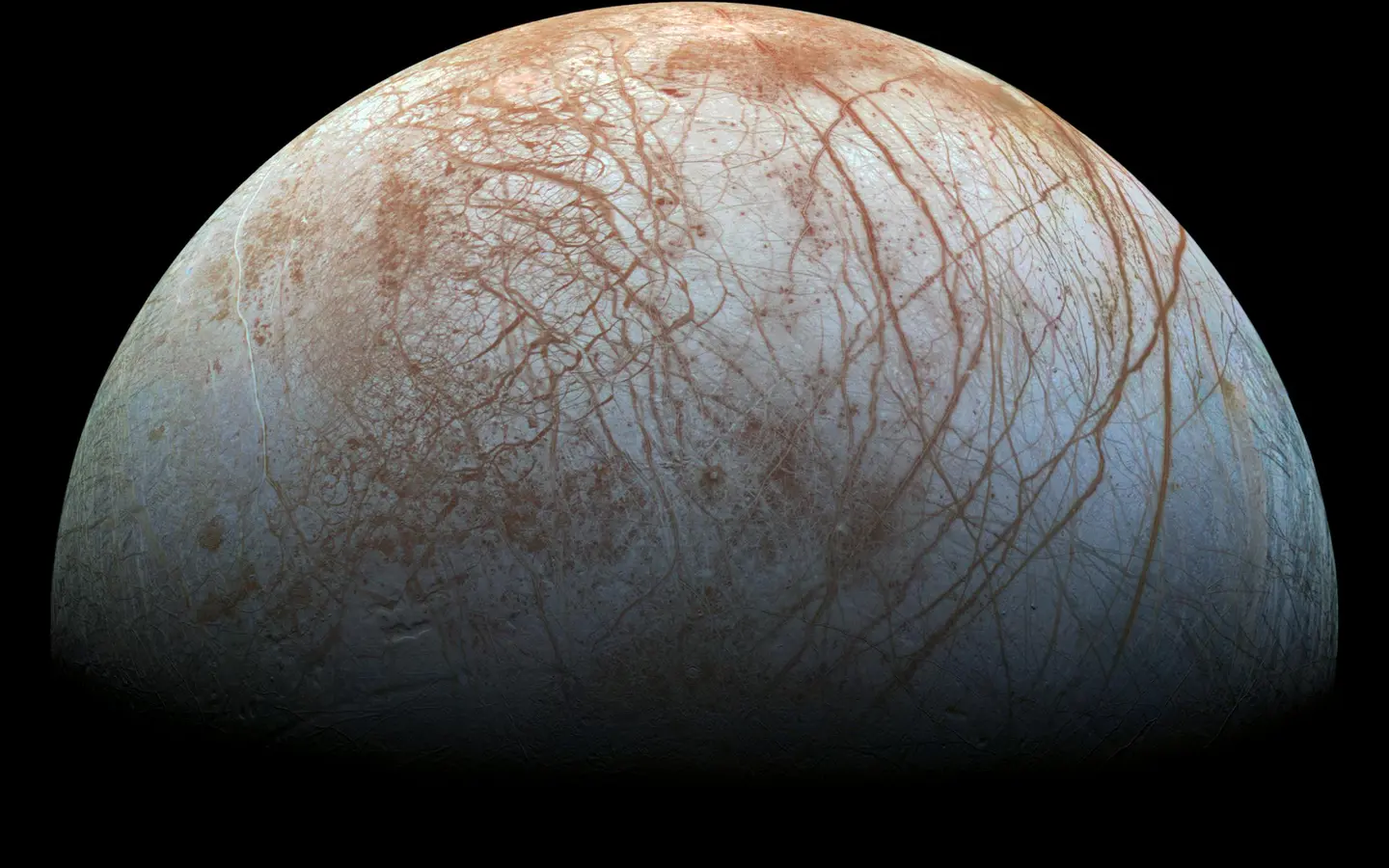
NASA's new research network is coordinating the search for life in seas beneath alien ice. Here is what scientists know—and what the headlines overstate.
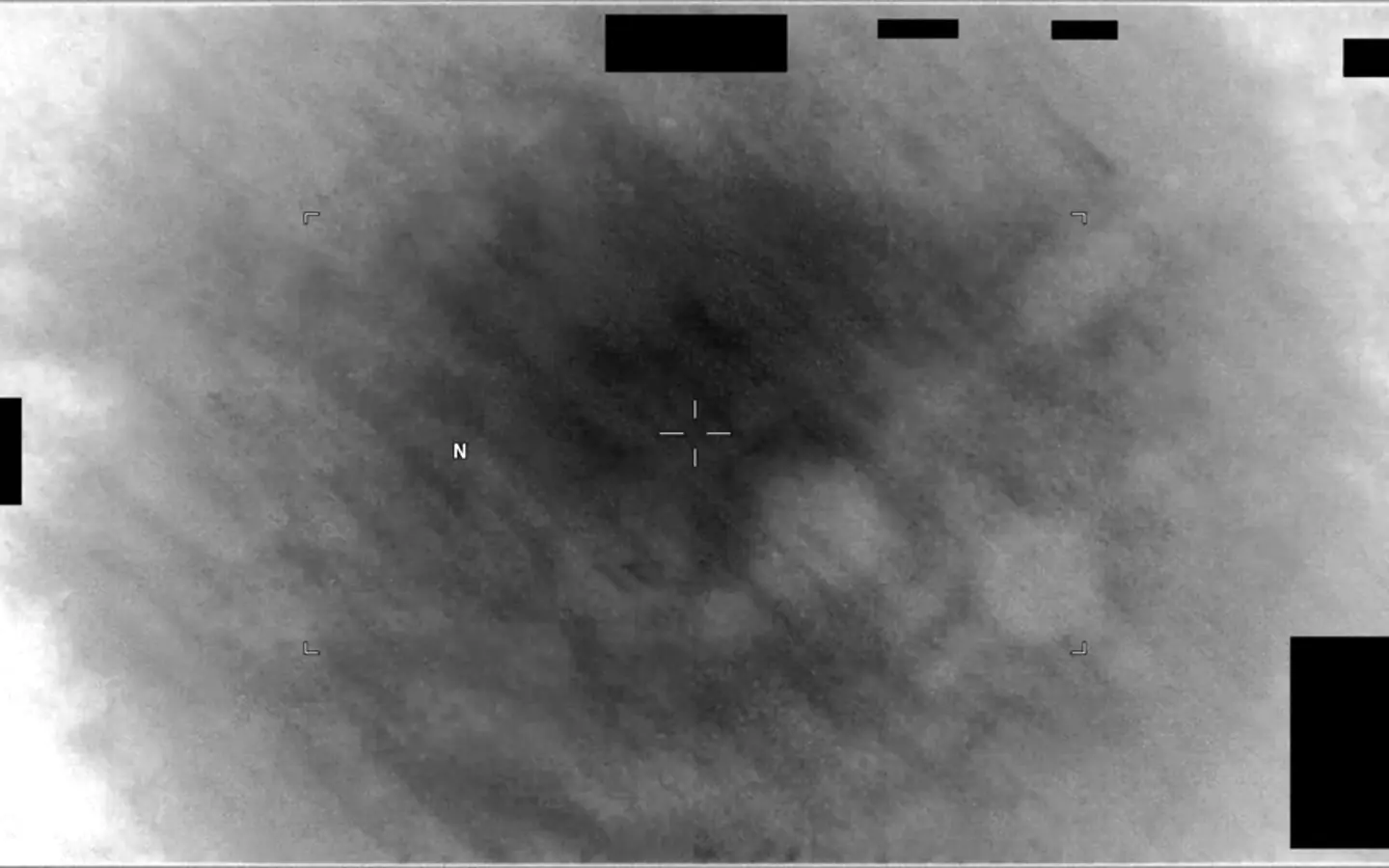
A larger official archive gives researchers more evidence to inspect, but “unresolved” still does not mean “extraterrestrial.”
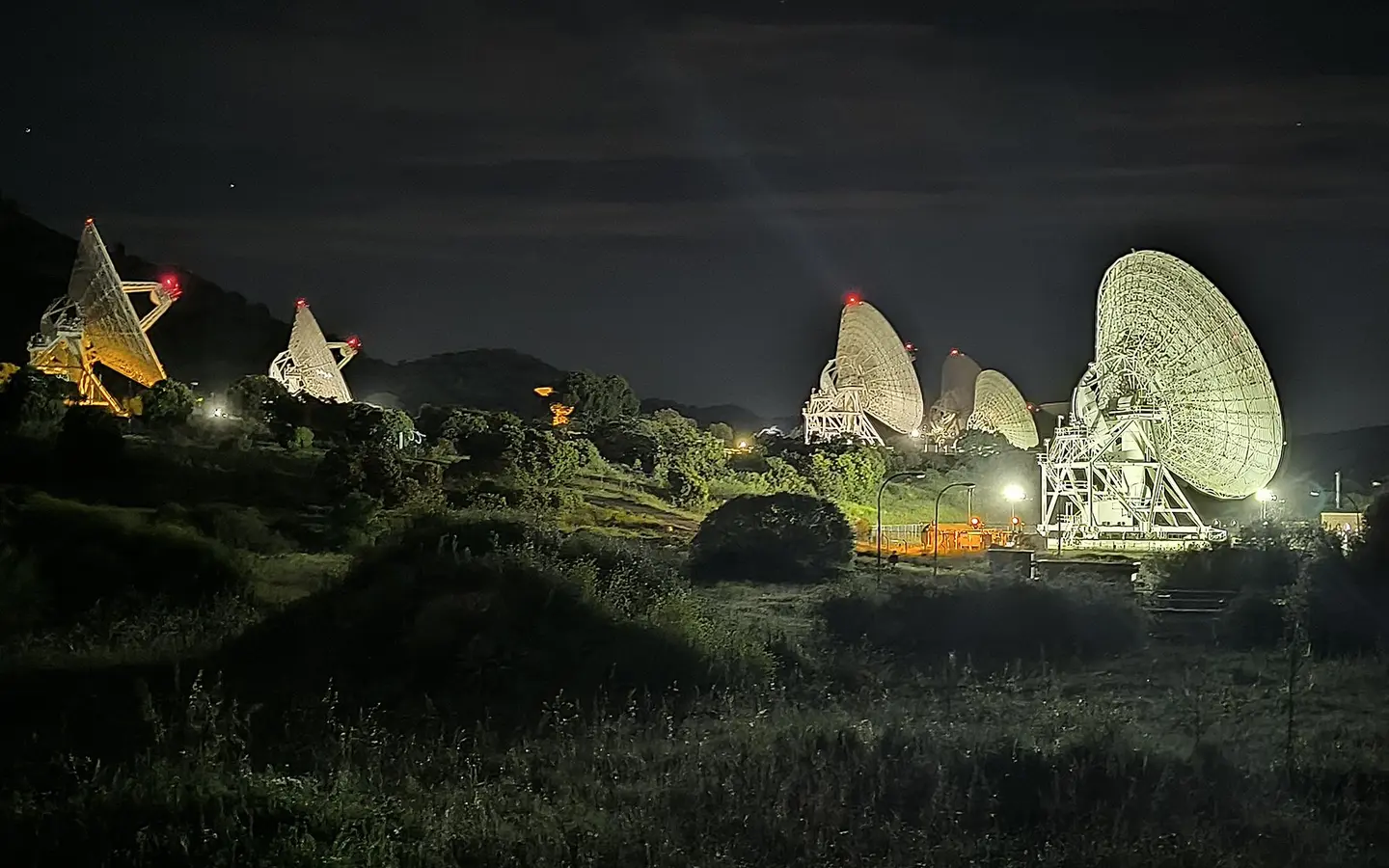
Researchers are revisiting how to verify, announce, and respond to a credible extraterrestrial signal in an age of instant misinformation.
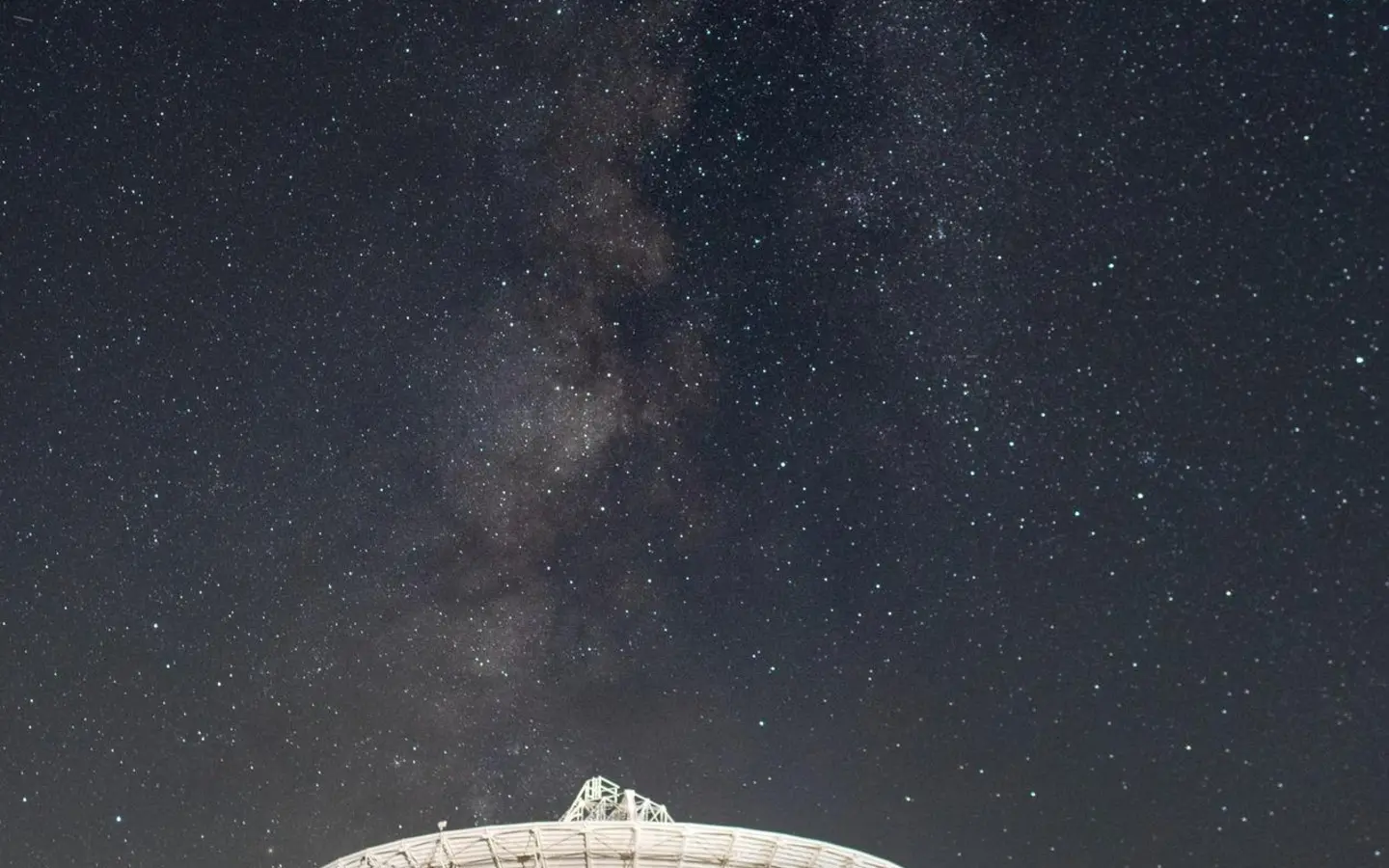
The interstellar object received a direct radio check for technology. The null result is narrow, useful, and consistent with a natural comet.
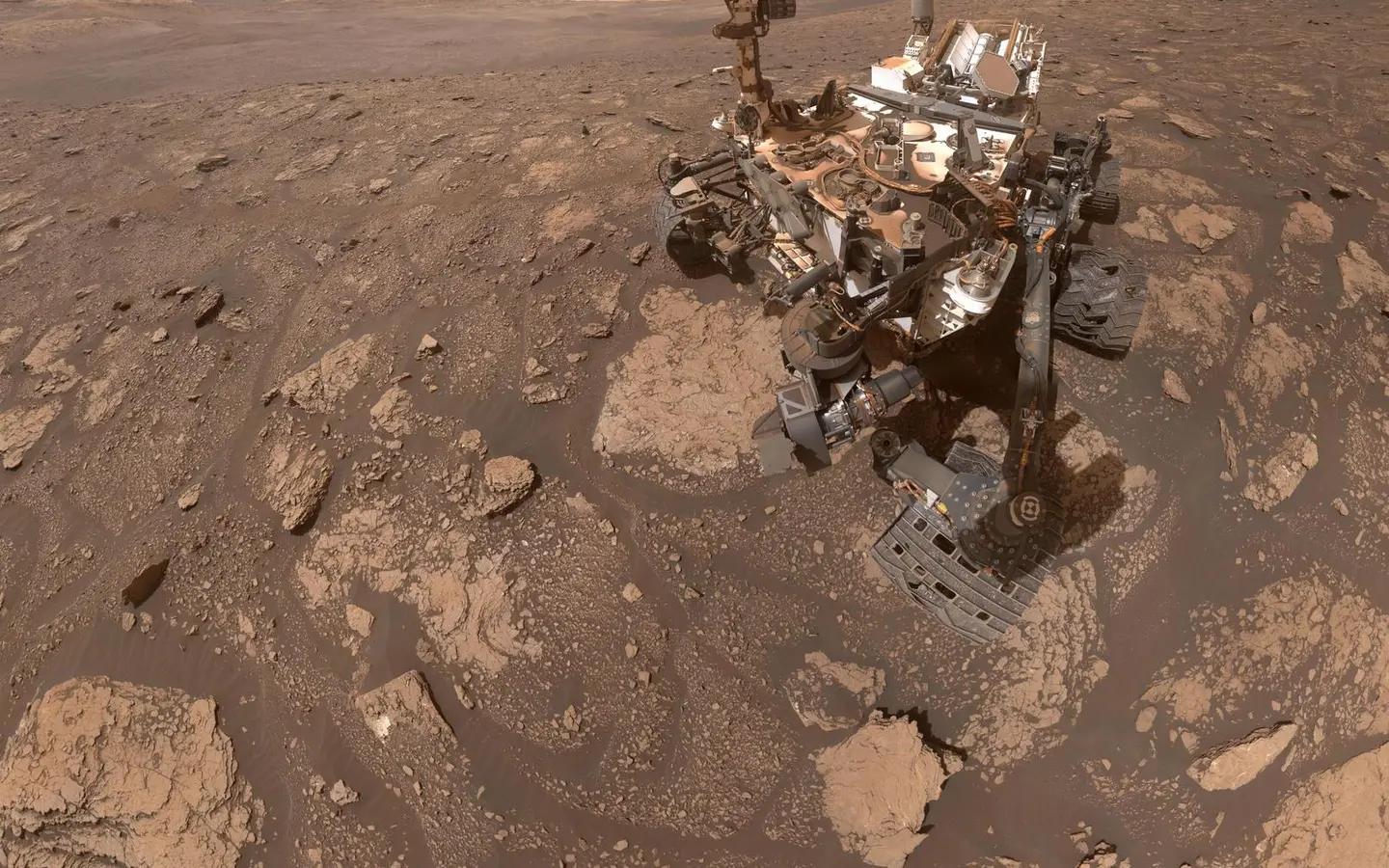
Large molecules survived in ancient mudstone, and tested non-biological sources may not explain all of them. Intriguing is not the same as alive.
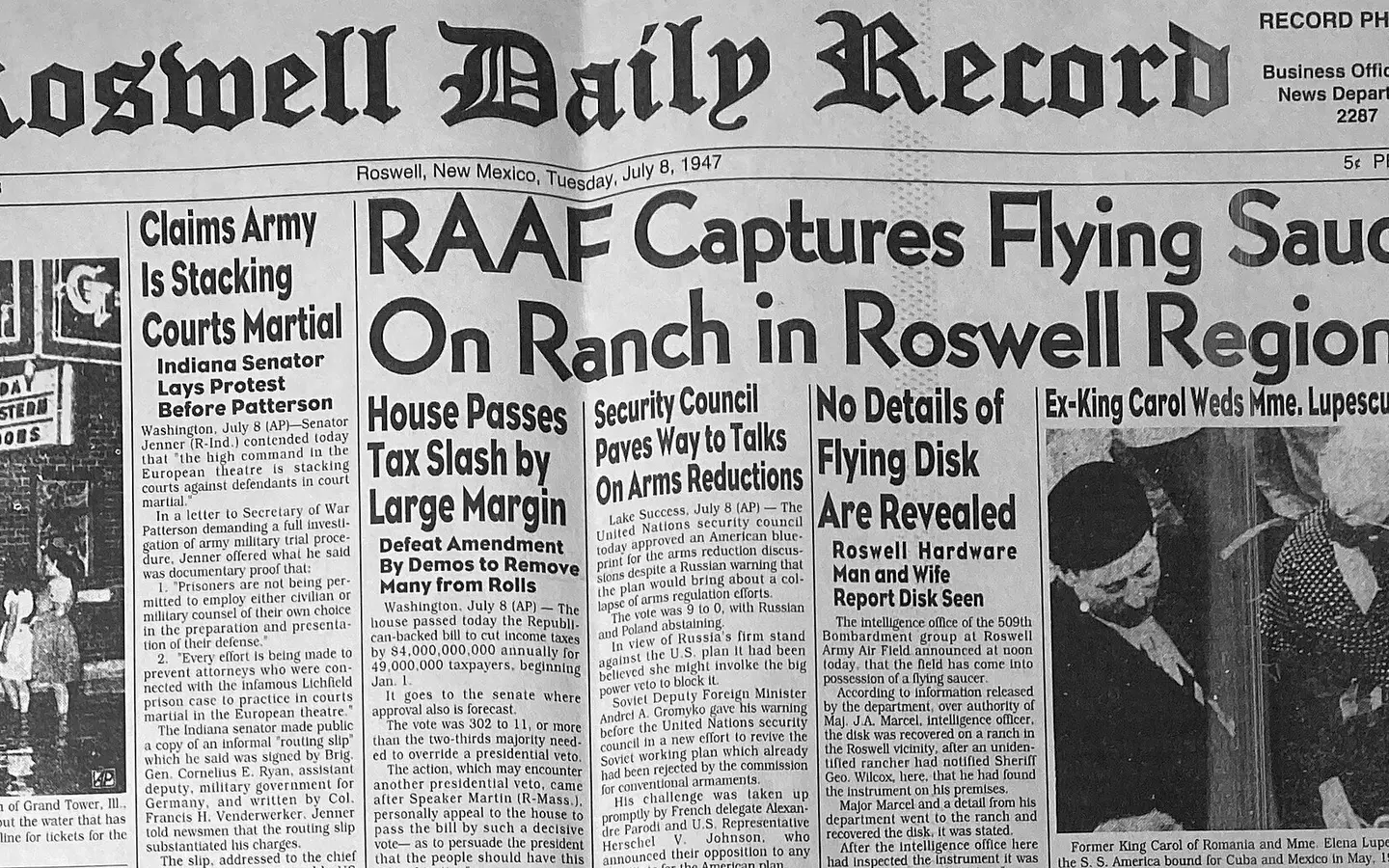
A day-by-day account of how the U.S. Army's explanation shifted from "flying disc" to "balloon" in under 48 hours, and why that reversal still fuels the case today.
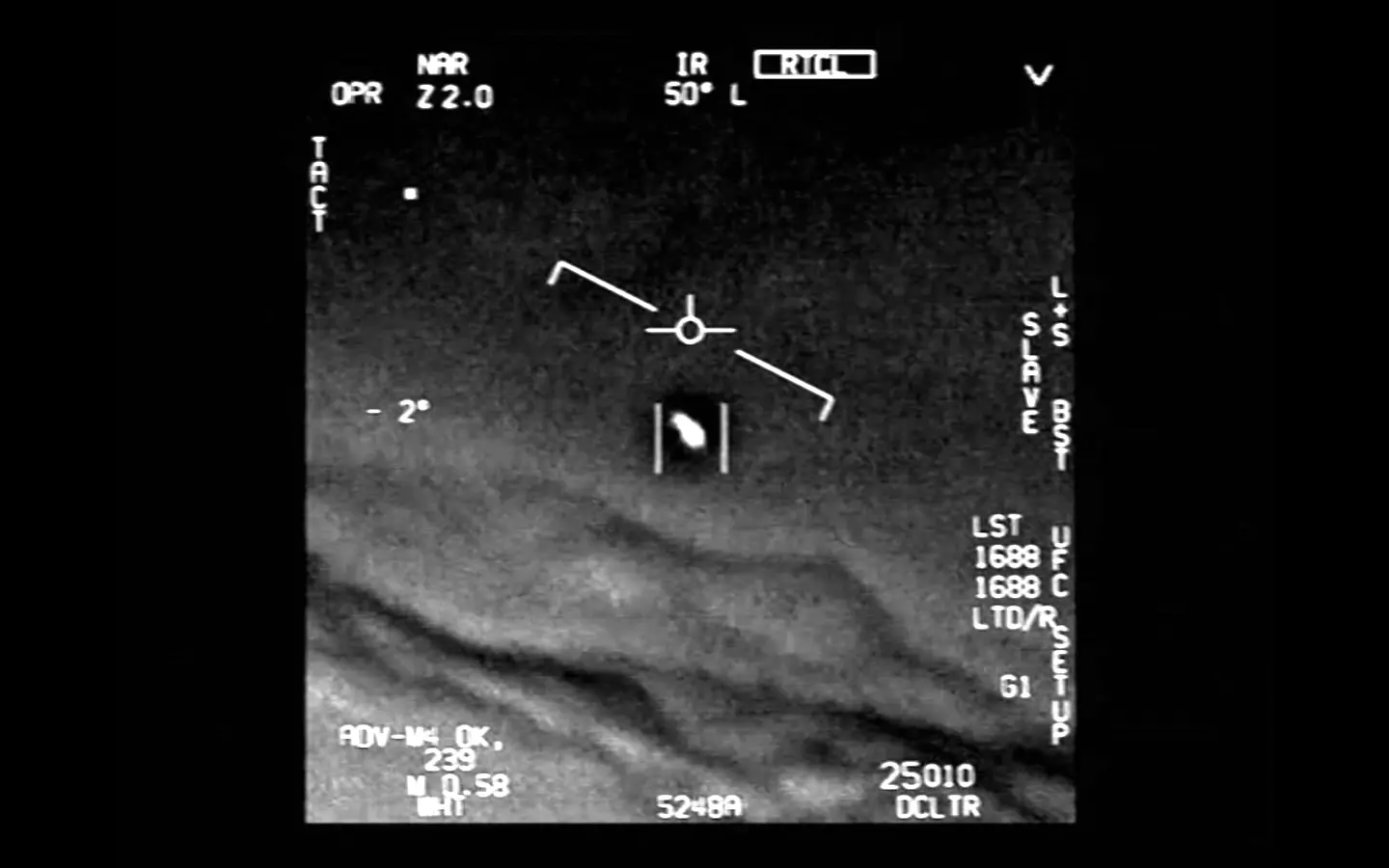
Three of the most-cited UAP videos, explained frame by frame — what the Navy confirmed, what pilots said, and what still isn't explained.
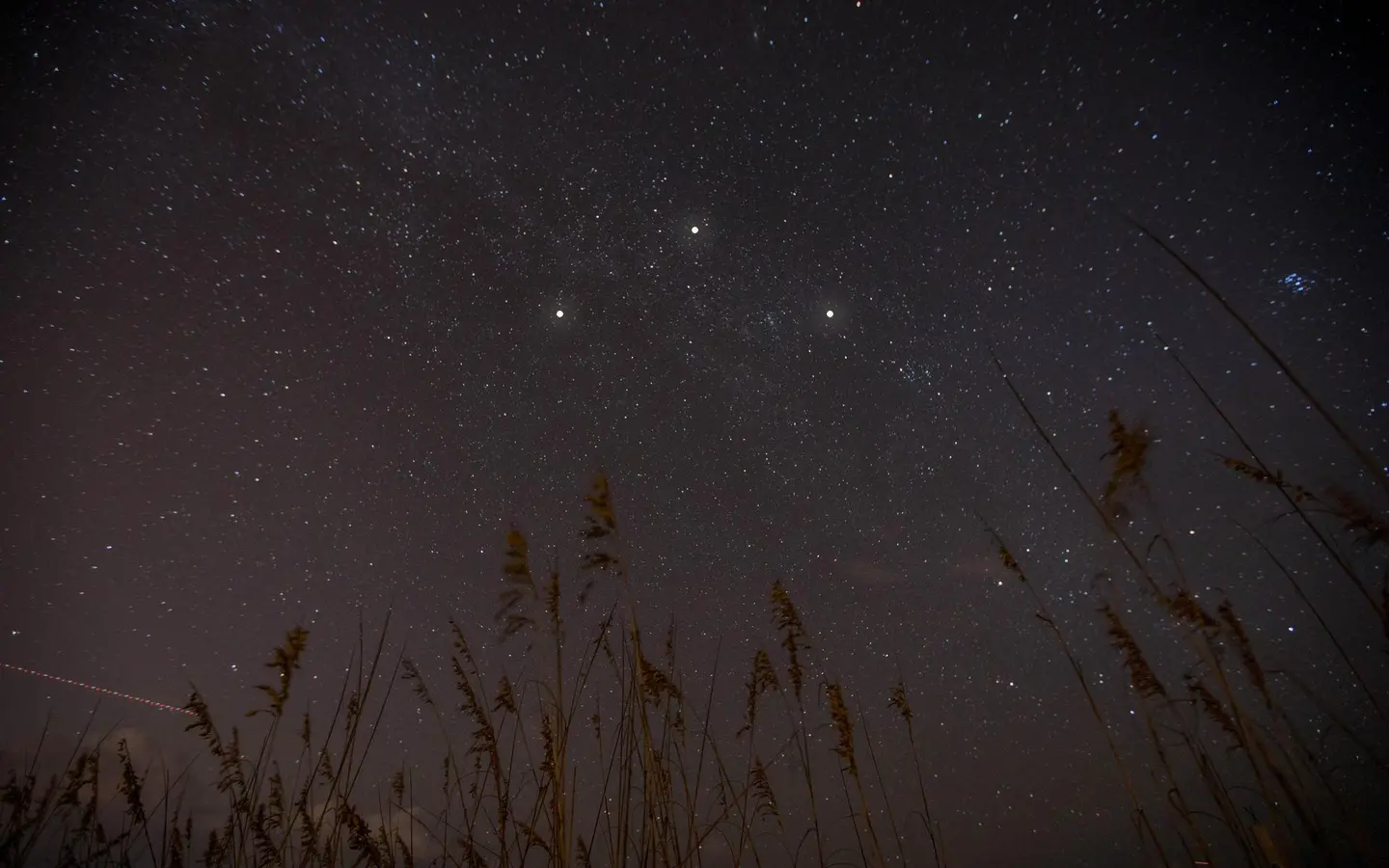
A silent, triangular formation of lights reported by three independent witnesses on the same night. We map the sightlines and check the flight logs.
Frank Drake's famous formula for estimating intelligent life, rebuilt with current exoplanet data. The odds move — just maybe not the way you'd expect.
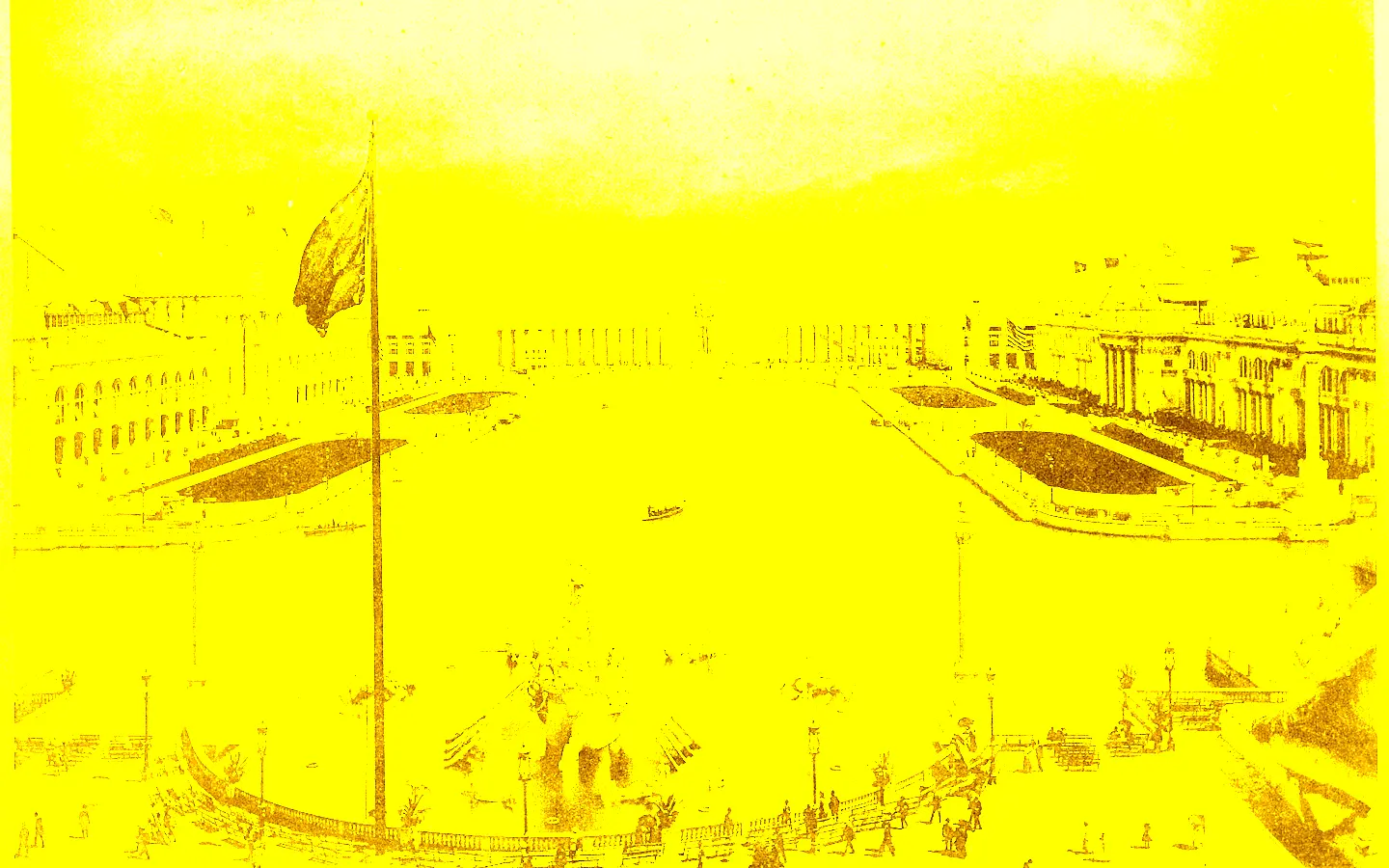
We trace the theory back to its original forum posts and test its central claims against the architectural and archival record.
A preview of the Pentagon's All-domain Anomaly Resolution Office's upcoming findings, and which past cases are reportedly being reopened.
No matching articles found.
What actually came down outside a New Mexico ranch in July 1947 — and why the story changed three times in one week.
Congressional hearings, Pentagon task forces, and whistleblower testimony — tracking the slow, official admission that something is up there.
Pilot reports, radar returns, and civilian footage from every decade since Kenneth Arnold coined "flying saucer" in 1947.
From Grey abduction lore to the Drake Equation — the science, the folklore, and everything in the blurry space between.
The alternate-history theory that a lost, advanced civilization was erased from the record. We dig through the claims, for and against.
In July 2023, a former intelligence officer testified to Congress that the U.S. government has recovered "non-human" craft and biological material — claims the Pentagon has neither confirmed nor fully denied. We break down what was said, what wasn't, and what a formal Inspector General review actually found.
Our disclosure file tracks every hearing, leaked memo, and official statement since 2017, translated out of bureaucratic language and into plain English.
Read the full breakdownExplore the community by topic. The discussions displayed below are illustrative previews.
Books and documentaries our community keeps coming back to — a mix of believers, skeptics, and journalists.
| Title | Author / Director | Format | Take |
|---|---|---|---|
| The Roswell Report | U.S. Air Force (declassified) | Document | The official 1997 explanation, straight from the source — worth reading even if you don't buy it. |
| UFOs: The Secret History | Various contributors | Book | A skeptic-friendly survey of sightings from 1947 to today, heavy on primary sources. |
| Nimitz Encounters (2004) | U.S. Navy pilot testimony | Case study | The case that restarted mainstream UAP coverage in 2017 — still the most cited. |
| Communion | Whitley Strieber | Memoir | The book that shaped modern abduction narratives — read as culture as much as claim. |
| Are We Alone? | Paul Davies | Book | A physicist's grounded take on the odds and implications of contact. |
Seen something you cannot explain? Share what, when and where. Reports are submitted privately for review. You may leave your name blank.