Were Tartarian towers alien power stations?
Domes, spires, and rooftop finials resemble a planet-sized circuit in viral diagrams. We trace the “free energy” claim from visual pattern to electrical reality.
Open investigation →
Copper domes. Impossible machines. Cities said to be buried beneath our own. Enter the contested archive where old maps, World’s Fair palaces, and alien-technology theories collide.
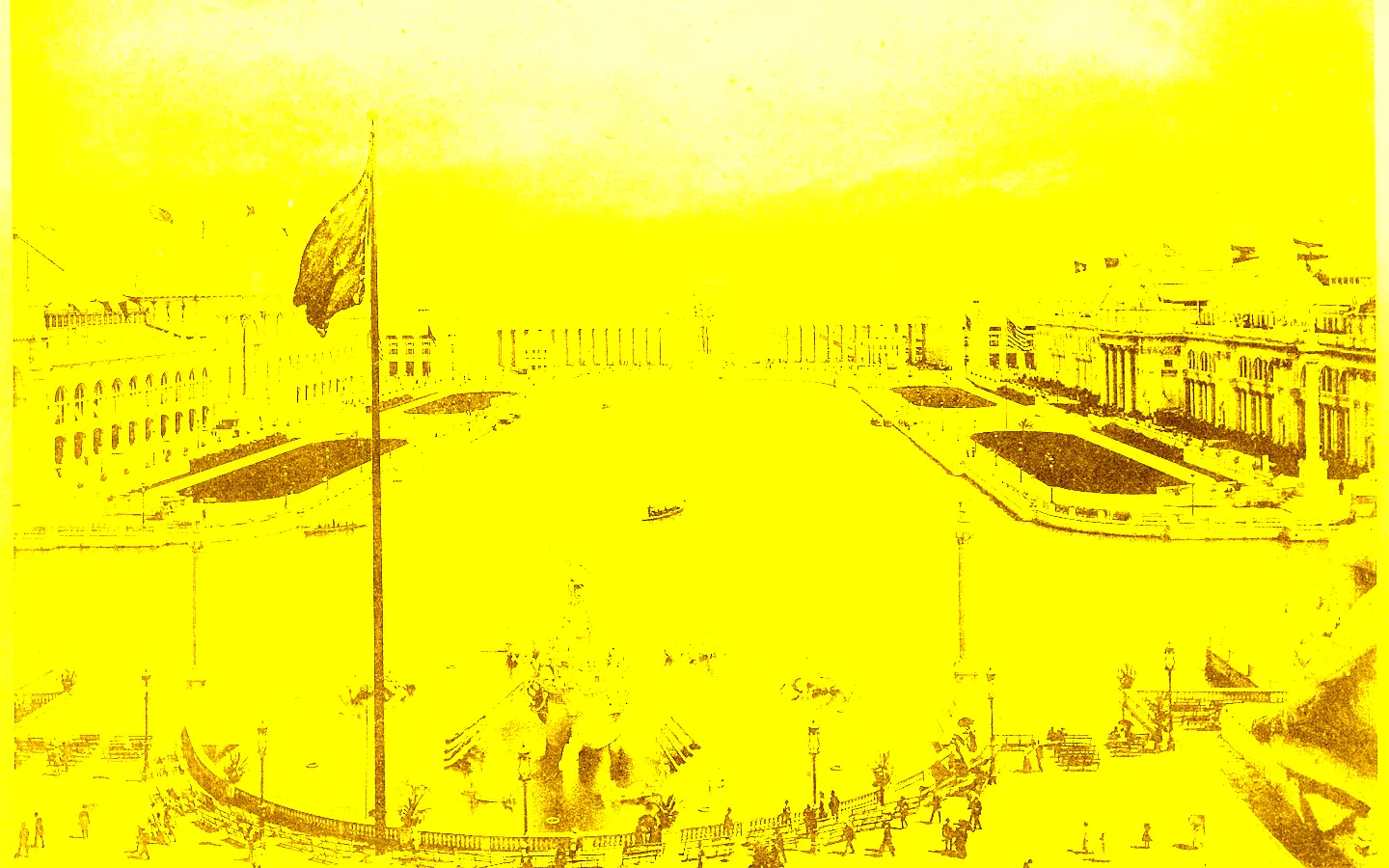
Historic maps used “Tartary” as a broad European label for regions of Central and Northern Asia—not a single hidden super-civilization. The modern theory gathers grand buildings, buried windows, wireless-energy experiments, and extraterrestrial speculation into a different story.
Each file follows the visual clues that keep the theory alive, then tests the extraordinary interpretation against construction records, engineering principles, and known history.
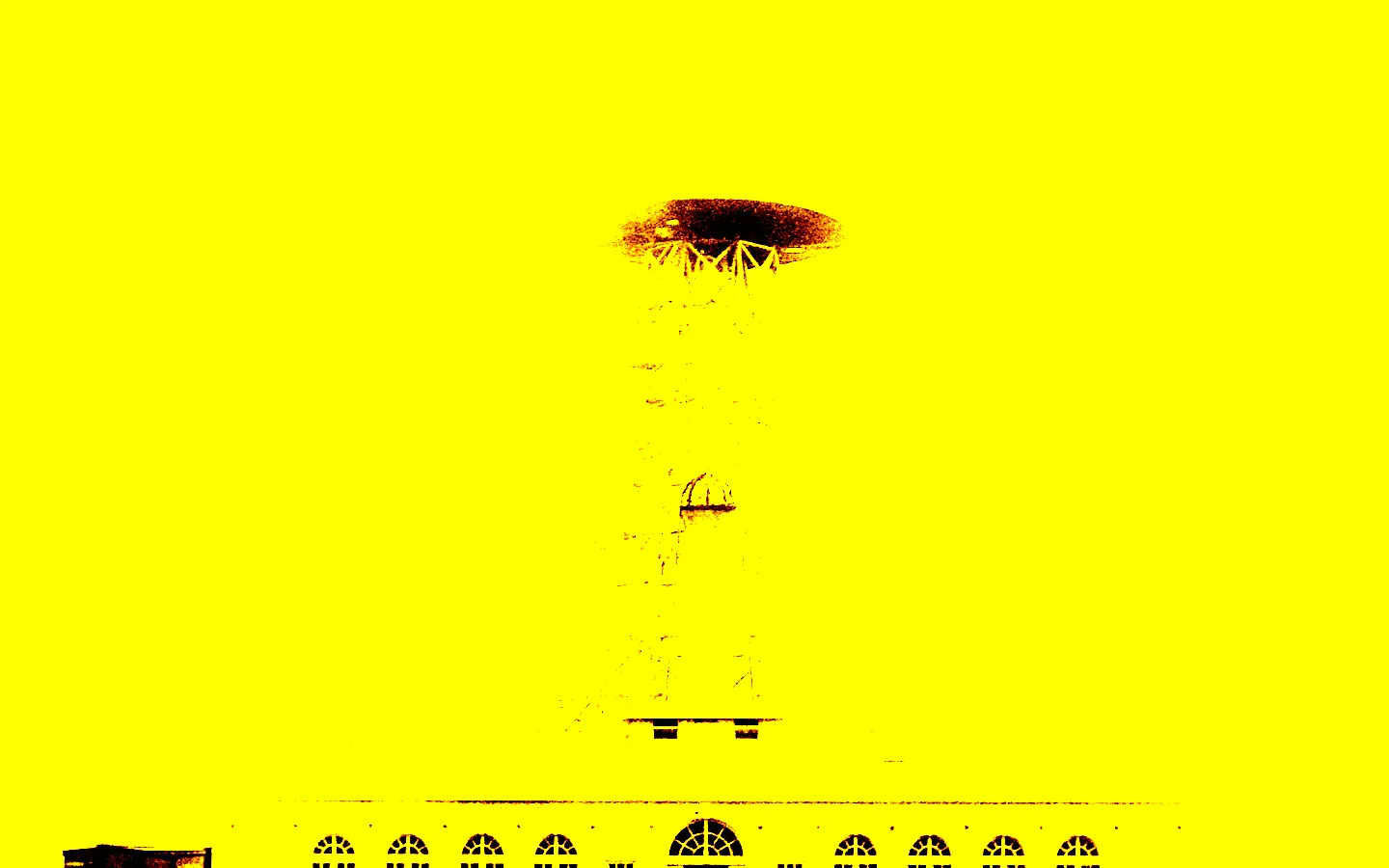
Domes, spires, and rooftop finials resemble a planet-sized circuit in viral diagrams. We trace the “free energy” claim from visual pattern to electrical reality.
Open investigation →Were the spectacular fairgrounds temporary plaster palaces—or inherited alien infrastructure demolished to hide an older world?
Open investigation →Old maps. Strange skies. Stories that changed with their readers. Explore historical records from the sixteenth to nineteenth centuries, alongside modern Tartaria and alien interpretations. The cases span different countries and have no demonstrated shared cause. Tartaria is a thematic archive label here, not an established historical period or a confirmed global civilization.
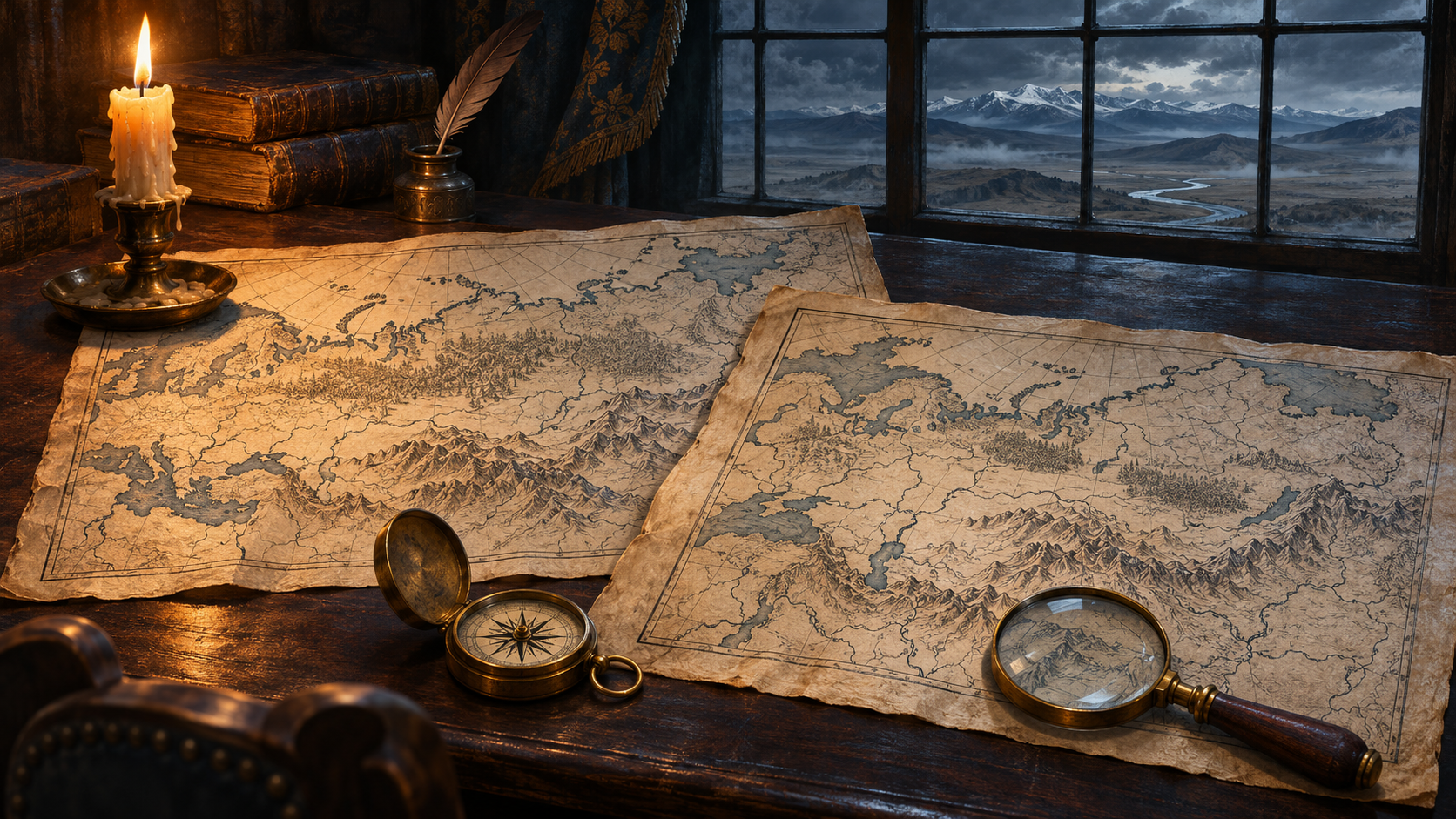
Compare historical maps of Tartary and discover why a changing geographical label cannot establish a lost alien civilization.
AI-generated illustration · Open file →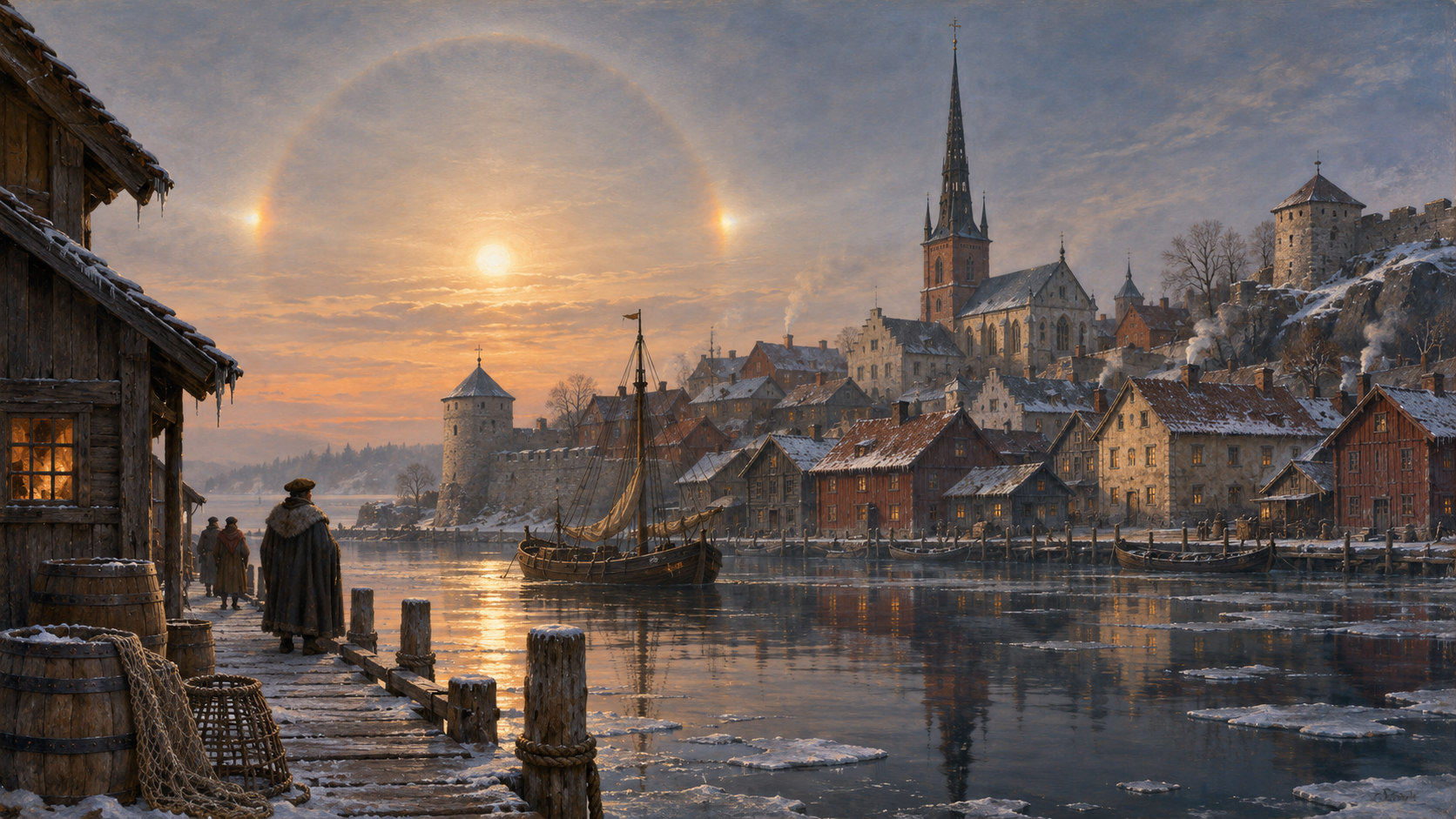
A famous Stockholm painting shows extraordinary sky rings. Its history and the science of sun dogs offer a grounded way to read the scene.
AI-generated illustration · Open file →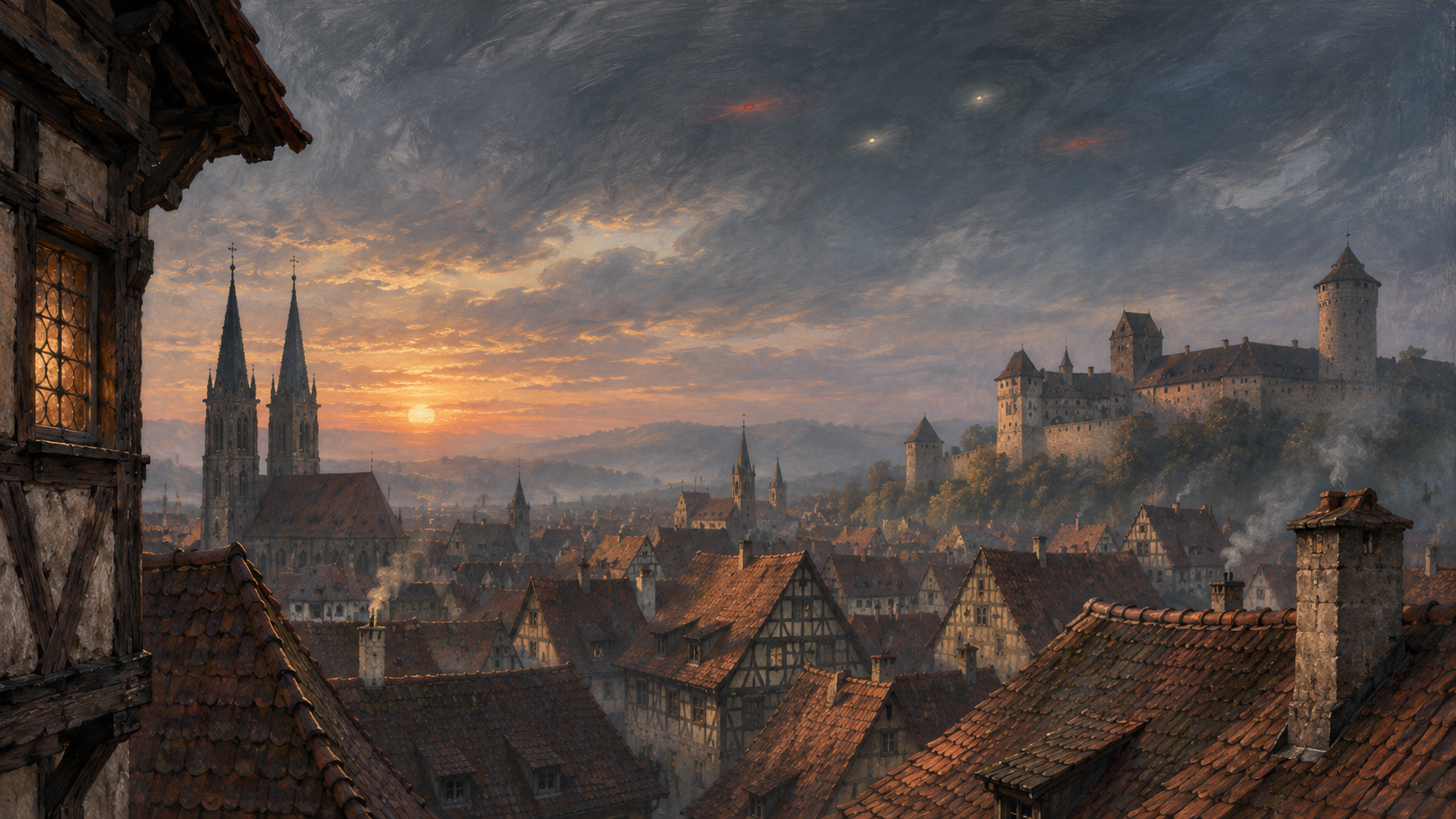
Hans Glaser’s famous sky scene survives in a real archive. Here is what that establishes—and what it cannot tell us about aliens.
AI-generated illustration · Open file →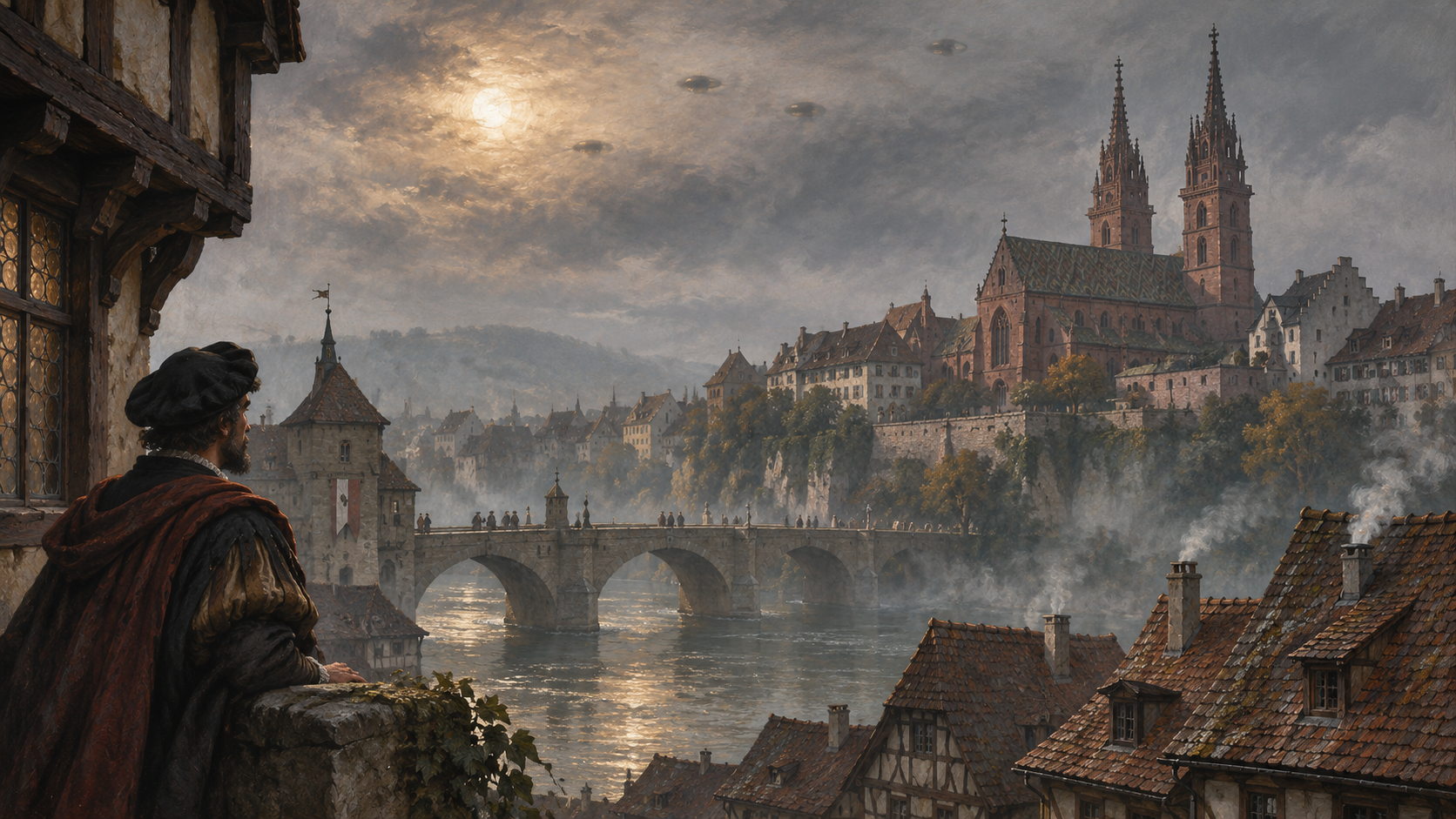
A sixteenth-century leaflet describes disturbing skies over Basel. Read the original record alongside its religious and publishing context.
AI-generated illustration · Open file →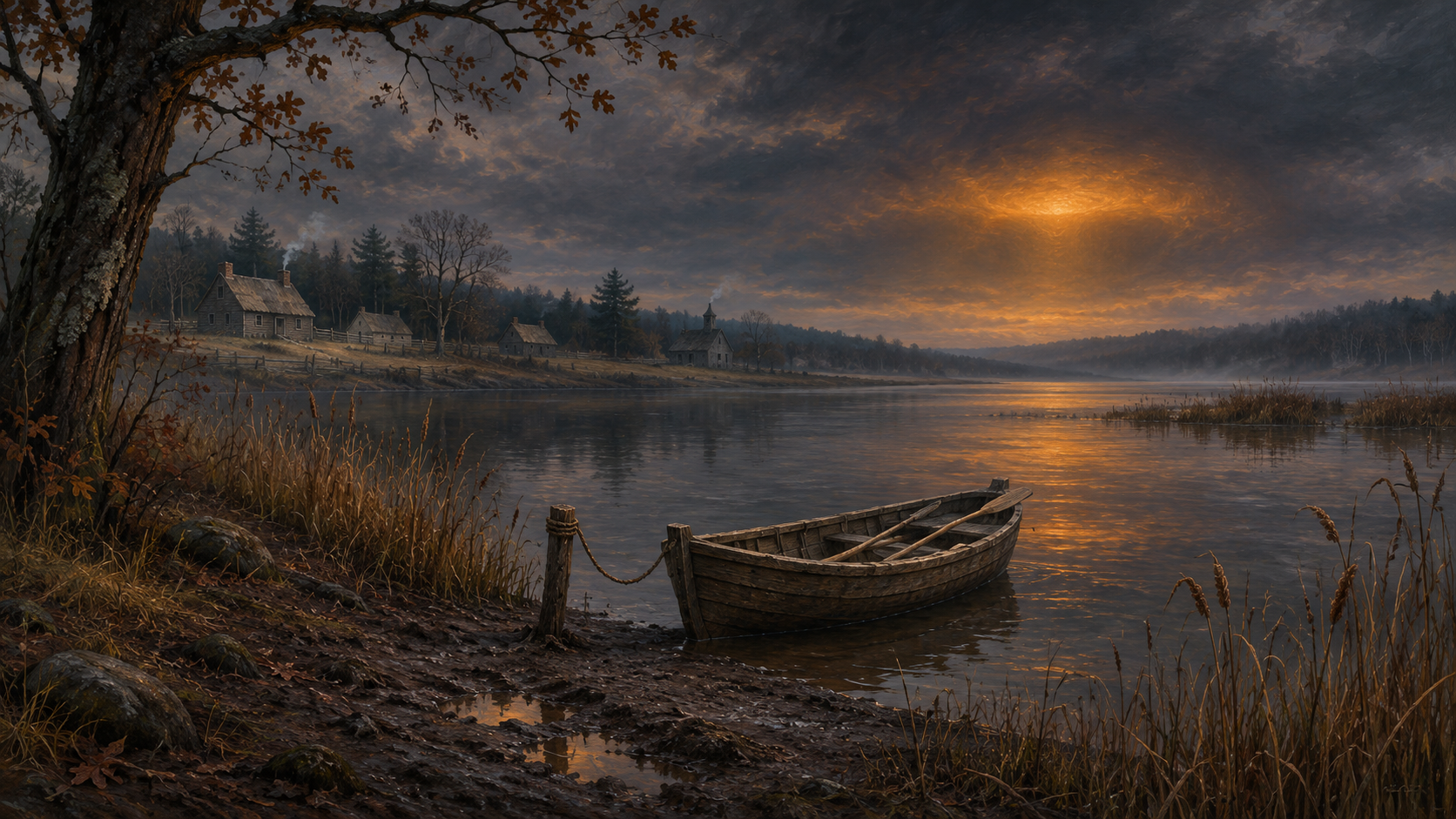
A colonial journal records a puzzling light over the Muddy River. Explore the report without turning it into a confirmed alien abduction.
AI-generated illustration · Open file →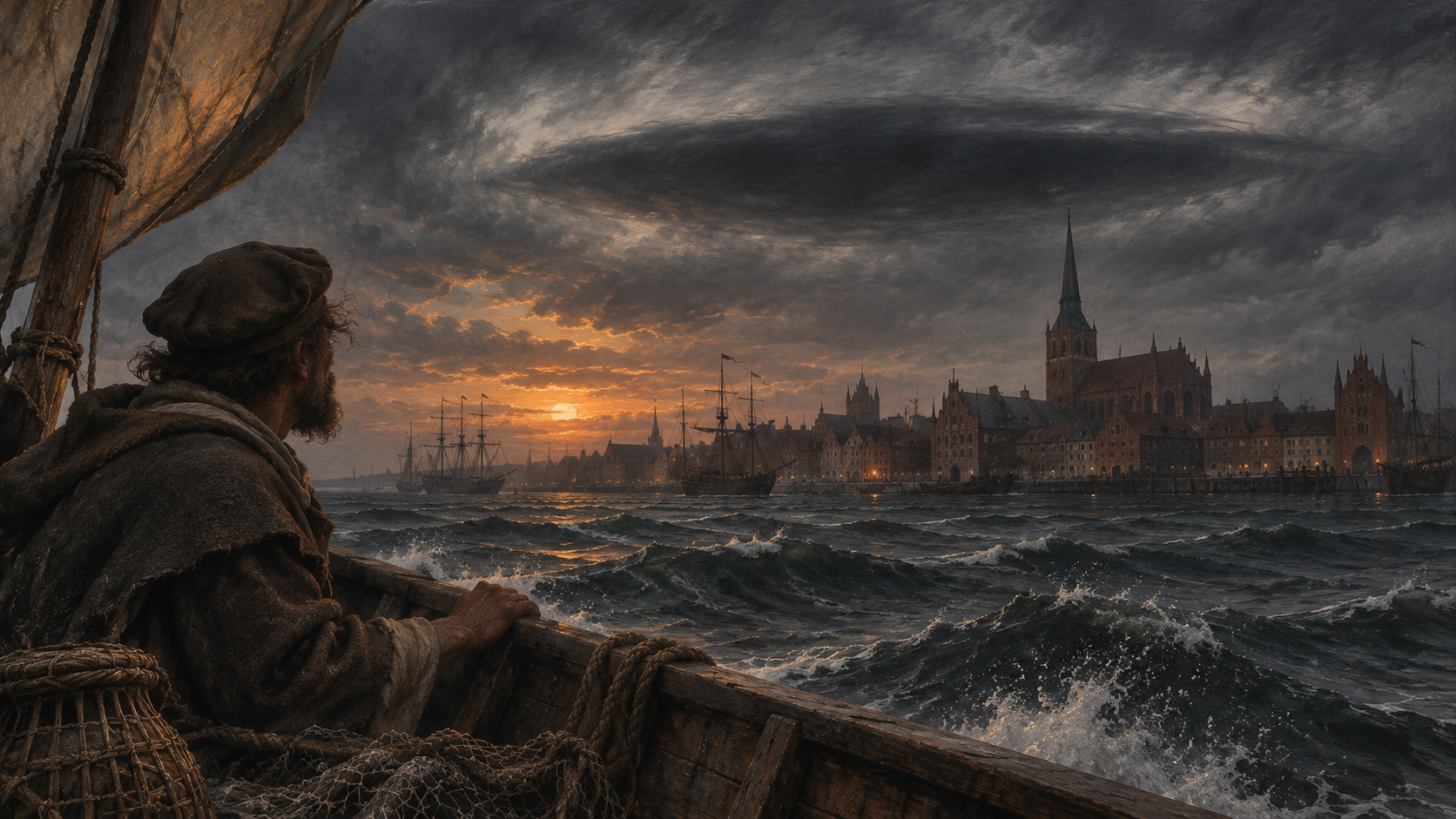
A Baltic sky report became the subject of a Berlin museum exhibition. Discover why studying the story is different from confirming alien visitors.
AI-generated illustration · Open file →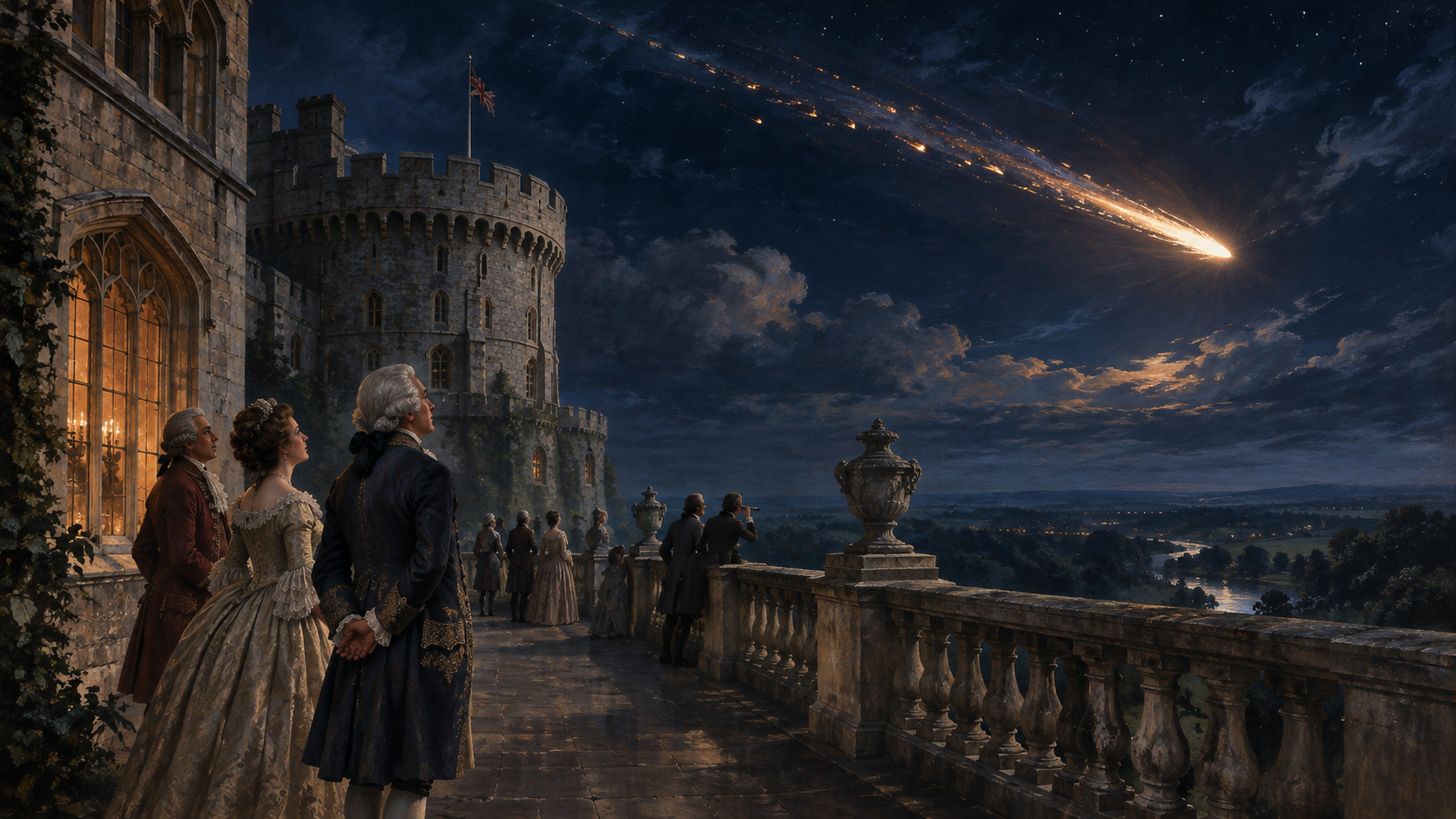
A spectacular meteor inspired art and scientific reports. The Windsor case shows why an extraordinary sky does not need an alien explanation.
AI-generated illustration · Open file →
A mysterious boat appears in Japanese historical records. A current museum exhibition reveals the documents behind this enduring UFO interpretation.
AI-generated illustration · Open file →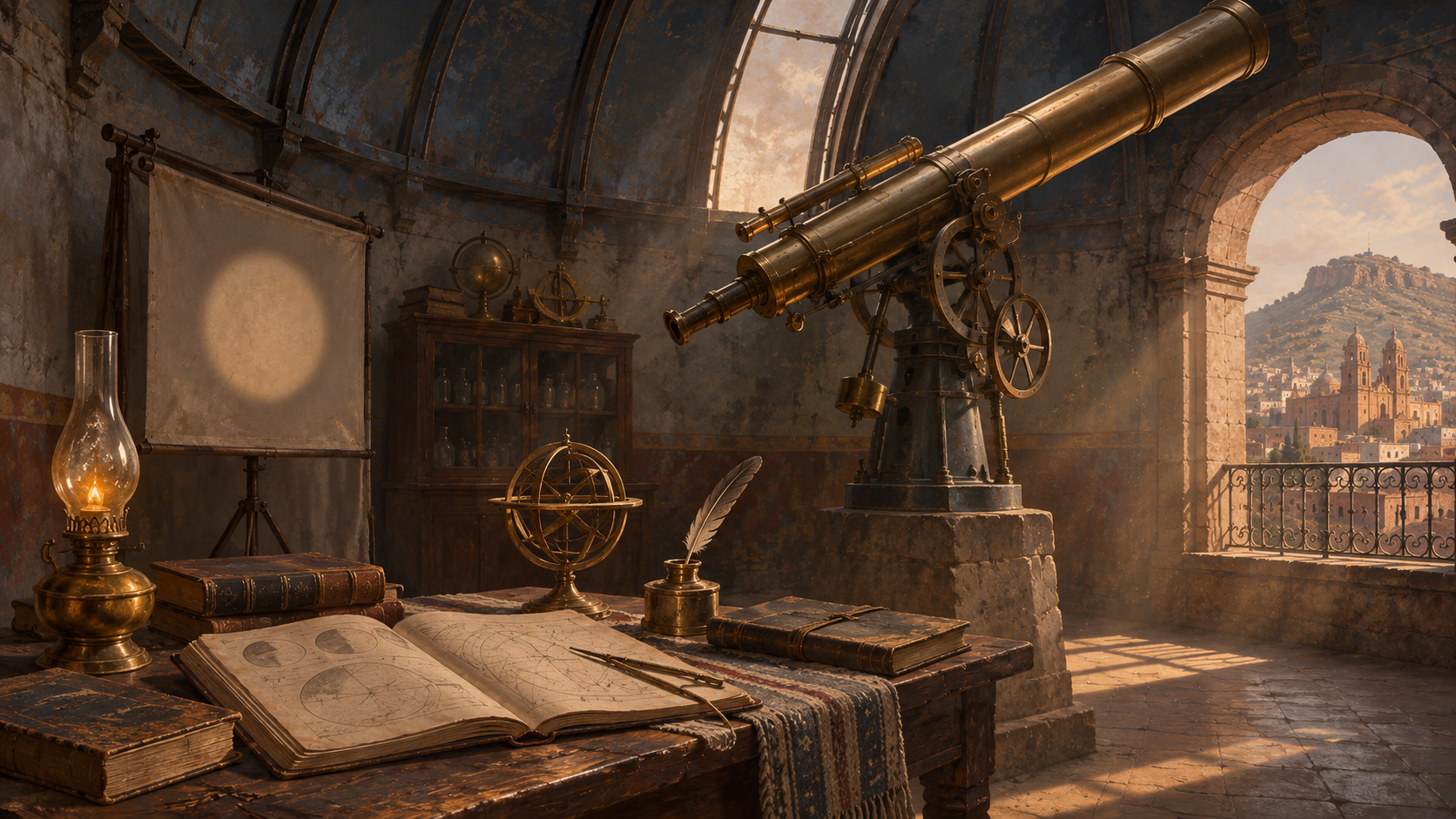
Objects crossed the Sun during Bonilla’s observations in Mexico. A later comet interpretation is intriguing, but it remains a hypothesis.
AI-generated illustration · Open file →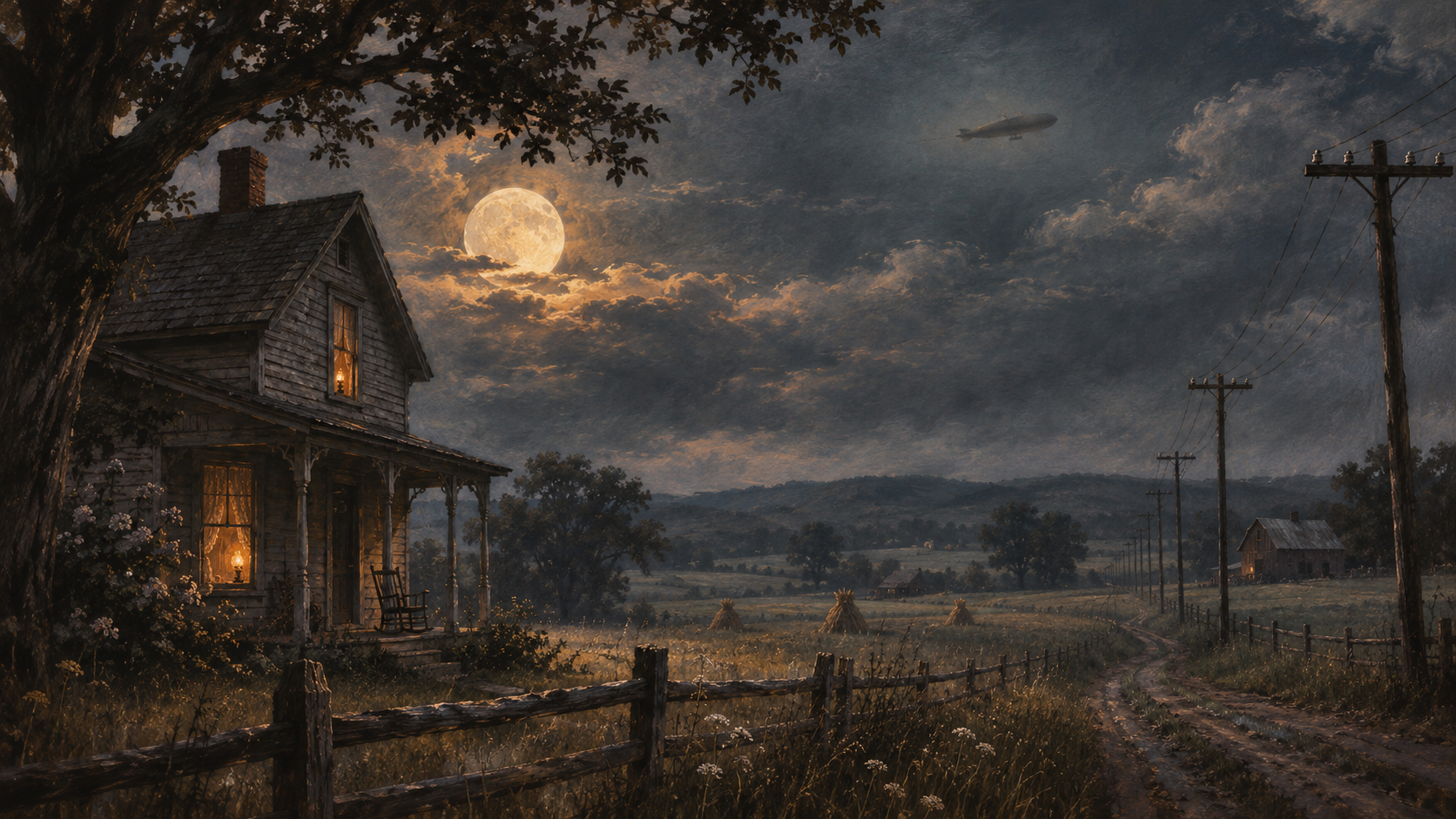
Before flying saucers dominated UFO imagery, strange airships filled reports. Period newspapers offer a way to investigate how the stories spread.
AI-generated illustration · Open file →“Extraordinary architecture is evidence of extraordinary ambition. The leap to alien technology requires evidence of its own.”Archive protocol · Separate wonder from proof